15 October 2026
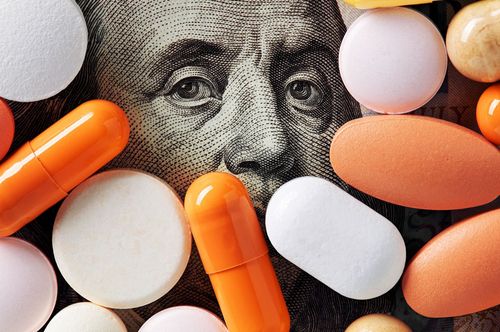
Vanilla Could Heal Wounds And It's Cheaper Than Almost Any Drug

Studies have shown that exposure to positive content leads to an increase in positive emotions, which are directly linked to better health outcomes. This phenomenon can be attributed to the release of neurotransmitters like dopamine and serotonin, which enhance our mood and provide a sense of comfort.
The constant bombardment of negative news can lead to stress and feelings of despair — a phenomenon often referred to as "headline stress disorder." Happy news acts as a counterbalance, helping decrease cortisol levels and promoting a genuine feeling of hope and resilience.
Engaging with stories that highlight human triumph, community progress, or technological advancements can lead to a more optimistic outlook on life. Optimism has been directly linked to:
"Integrating happy news into your daily media diet is more than just a pleasant diversion — it's a vital strategy for maintaining mental health in a world that often seems overshadowed by negativity."
By choosing to highlight and celebrate the good, media can play an essential role in nurturing a healthier, more hopeful society. Here's how happy news benefits us collectively.
When people read about kindness, progress, and human resilience, stress responses diminish. A consistent dose of positive stories helps rewire how we perceive the world around us.
Positive stories of community action and shared success foster a collective spirit of optimism, reminding us that people are capable of extraordinary things when they work together.
Reading about others overcoming health challenges or embracing wellness naturally motivates readers to take positive steps in their own lives — from exercise to better sleep habits.
A media diet that includes uplifting stories doesn't just feel good — it actively shapes a more grateful, grounded, and joyful relationship with everyday life and the people in it.