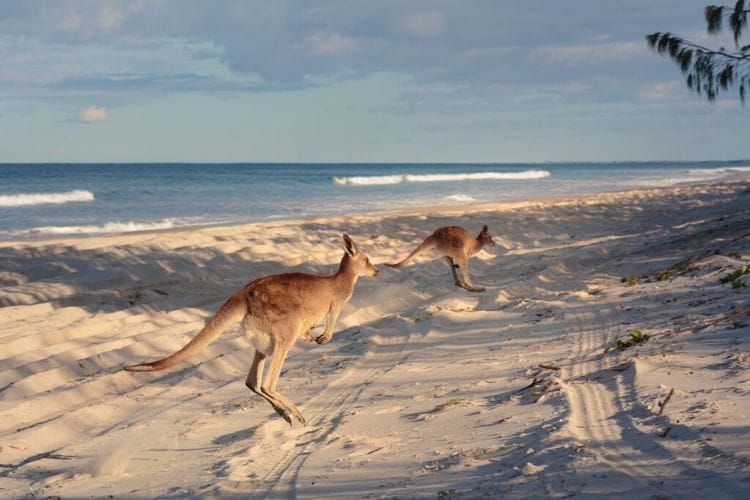
Five years after a cat proof fence was erected around a 380 hectare sanctuary on Kangaroo Island, endangered animal populations inside are experiencing a remarkable recovery that has surprised even the scientists monitoring them. The Western River Refuge, managed by the Australian Wildlife Conservancy, has seen vulnerable species like the tiny Kangaroo Island ‘dunnart’ increase by an estimated 90 to 100 percent since the protective barrier was completed. What started as an experimental conservation project quickly transformed into an urgent rescue mission after the devastating 2019 to 2020 bushfires destroyed more than 90 percent of the habitat for vulnerable species across the island. Principal ecologist Pat Hodgens says the fence has proven vital in protecting native animals that would otherwise fall prey to feral cats, which were spotted in large numbers hunting through burnt areas in the days and weeks following the fires.
Bird species that had completely disappeared from the area are now making triumphant returns, with western whipbirds and Bassian thrushes reappearing inside the refuge and increasing their numbers by roughly 100 percent. These shy birds are particularly vulnerable to cat attacks and were not present when construction of the fence began, making their comeback even more meaningful. Ngarrindjeri elder Mark Koolmatrie says he’s encouraged by the return of native species and believes restoration efforts should focus on collaboration between traditional Indigenous land management practices and modern conservation methods. The success at Western River Refuge represents just the beginning of what’s possible when communities work together to protect the animals that belong to the land, offering hope that other devastated habitats across Australia can be restored through similar innovative approaches that prioritize the safety and recovery of vulnerable wildlife.