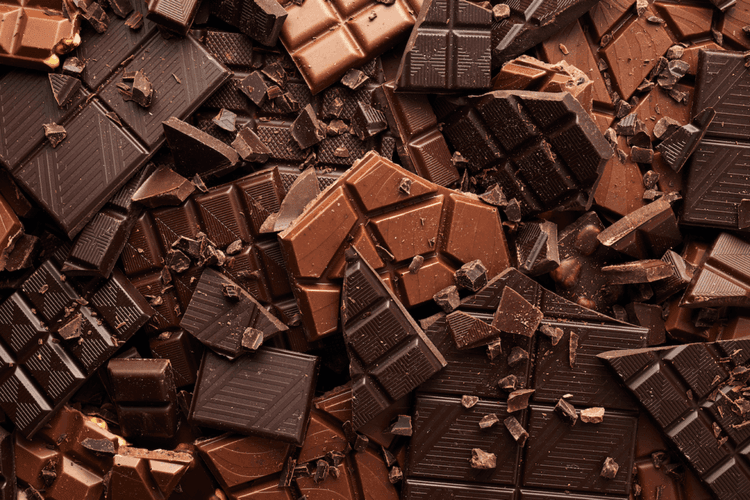
Scientists at King Abdullah University of Science and Technology in Saudi Arabia have discovered how to transform chocolate factory waste into a stunning natural blue food coloring worth over $275 million globally. The breakthrough uses an ancient strain of red algae called Galdieria sulphuraria that literally eats the sugars from discarded cocoa shells and factory offcuts to produce C-phycocyanin, a vibrant blue pigment recently approved as food-safe by the FDA. Working in partnership with global chocolate giant Mars, researchers collected waste from Saudi Arabian chocolate factories and fed it to the algae along with carbon dioxide. The result is a completely natural alternative to artificial dyes used across food, cosmetics, and pharmaceuticals.
The process offers significant advantages over conventional pigment production including reduced costs and increased yields. Mars provided chocolate samples for the research, showcasing how major food producers can drive green initiatives while tackling their own waste challenges. Every festive season, the chocolate industry faces massive environmental challenges as discarded cocoa shells and factory waste contribute to carbon emissions and landfill overflow. This discovery proves that holiday indulgence can become a force for environmental good, turning what was once trash into a valuable product that supports a circular economy and helps combat climate change.