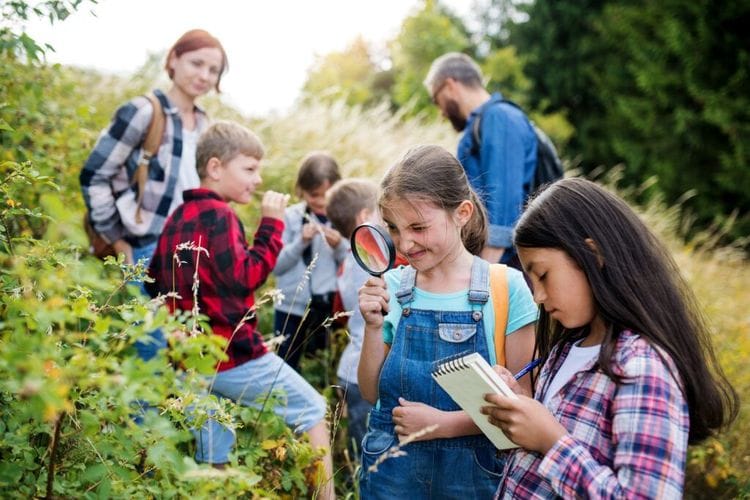
A groundbreaking study at Humpula daycare center in Lahti, Finland showed that when 75 children were exposed to nature-like elements five times a week, their body’s microbes diversified dramatically and offered powerful protection against diseases transmitted through the immune system. The study published in Science Advances in 2021 found that children who got down and dirty in rewilded daycare yards had lower levels of Clostridium bacteria linked with inflammatory bowel disease, higher levels of protective T cells in their blood, and fewer infectious disease causing Streptococcus bacteria on their skin. The results were so impressive that Finland’s Natural Resources Institute is now launching a nationwide survey of 43 daycares compared to the original sample of just 75 children, measuring how increased microbial exposure changes children’s skin, gut, and oral microbiomes.
The Finnish government awarded one million euros in grants to 43 daycare centers specifically for adding garden space, planter boxes, compost heaps, and other natural features to their properties based on the original study’s remarkable findings. Humpula daycare went all in on the concept, substituting its grass garden for a giant 107 square foot section of actual forest floor that’s 12 inches deep and pre loaded with wild lingonberry and blueberry seeds, plus bugs, mosses, lichen, and trillions of beneficial microbes. The daycare now boasts a vegetable patch using compost to provide dirt covered healthy vegetables for the center’s kitchen, and five year olds enthusiastically bake mud and sand chocolate cakes as part of their daily play. Scientists will collect hair, saliva, and stool samples along with parent questionnaires about infectious diseases to robustly measure how a wilder daycare impacts children’s immune health nationwide. If this profile can be replicated across Finland, a massive financial and health burden could be lifted from the national community, proving that sometimes the best medicine for children is simply letting them play in the dirt.