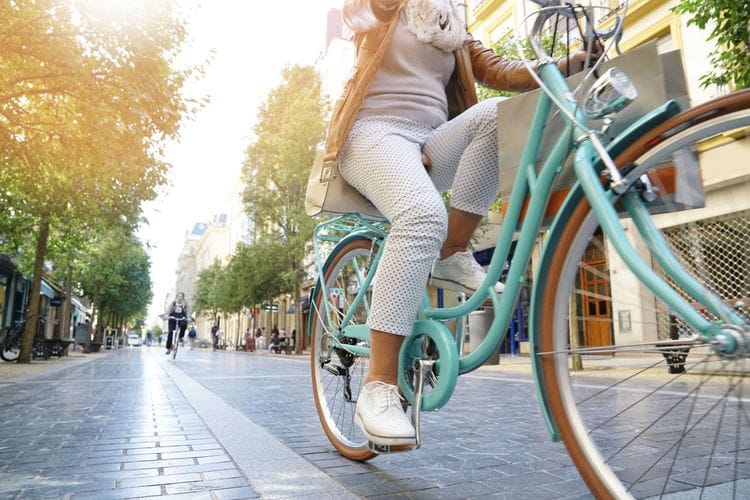
John Seigel-Boettner, a 70 year old coordinator in Santa Barbara, rides a special three wheeled electric bicycle called a trishaw that has two extra seats upfront where elderly riders sit and enjoy the scenery while he pedals them around town. He’s part of Cycling Without Age, a movement that started in Copenhagen in 2012 when a Danish man named Ole Kassow borrowed a rickshaw and offered an elderly gentleman from a care home a ride, inspired by watching his own father become increasingly isolated after developing multiple sclerosis. The simple idea spread across the world and today the program spans more than 3,600 chapters and 50,000 volunteers in 41 countries including 25 U.S. states, all sharing five guiding principles of generosity, slowness, storytelling, relationships, and without age. Studies have shown that participants experience real improvements in mood and well being after rides, with one comprehensive study measuring a striking shift in life satisfaction that’s greater than that of the world’s happiest nations.
In Santa Barbara, Seigel-Boettner coordinates 60 volunteer pilots and 17 trishaws, with riders ranging from a five year old boy on a feeding tube who wanted to ride to school with his friends to 97 year old Elizabeth Wright who has been riding with him for many years and waves to her favorite street musician as they pass. The owner of Wright’s senior home asked to purchase a trishaw after seeing the first ride because it was the first time he ever saw some of the residents giggle and laugh. While the trishaws cost anywhere from 10,000 to 15,000 dollars each, Kassow points out that when you consider the impact of one trishaw and how much money people otherwise spend on elder care, it’s actually not a lot. For Seigel-Boettner, each ride is a chance to bridge the gap between older people and everyone else, and he says he comes back from each ride completely changed because society is missing that connection.