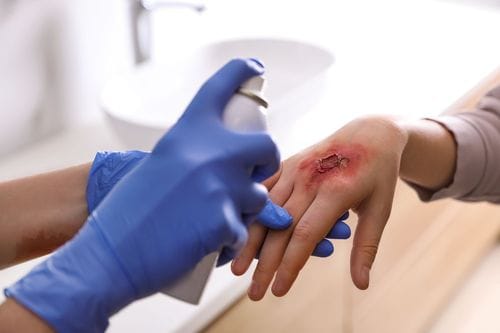
Scientists at L’Oréal have developed a revolutionary animal free testing method that can detect skin allergens in cosmetic ingredients in just one hour, compared to the 24 hours required by traditional methods. The breakthrough involves a specially designed molecule called NNDNAC that behaves like human skin proteins and grabs onto potentially harmful chemicals much faster than any existing test, allowing researchers to identify ingredients that might cause allergic reactions like contact dermatitis before products ever reach consumers. Dr. Ratnadeep Paul Choudhury, head of analytical chemistry at L’Oréal India, explains that getting reliable results in one hour versus 24 hours creates a ripple effect of benefits across the entire cosmetics industry, allowing for more experiments, faster decisions, lower costs, and ultimately better safety testing without harming a single animal. The new probe can distinguish between direct sensitizers that react with skin immediately and indirect sensitizers that only become harmful after oxidation, providing crucial insights that previous tests struggled to deliver.
L’Oréal has been pioneering alternatives to animal testing since reconstructing human skin models in laboratories back in the 1970s, and this latest innovation represents another major leap forward in cruelty free science. The development comes at a perfect time as cosmetics regulations around the world increasingly ban animal testing, pushing companies to find faster and more reliable laboratory methods to screen ingredients for safety. For strong allergens like certain preservatives and chemicals, NNDNAC achieved near complete detection within that remarkable one hour timeframe, while conventional methods would still be waiting for results the next day. This innovation not only protects consumers from potential allergic reactions but also demonstrates that cutting edge science can deliver better, faster, and more humane safety testing than outdated animal experiments ever could.