King Charles III unveiled a memorial dedicated to LGBT military personnel at the National Memorial Arboretum in Staffordshire, marking his first official engagement in support of the LGBT community and honoring those who served during a time when being gay in the armed forces was illegal. Until the year 2000, gay service members or those perceived to be gay faced intrusive investigations, dismissal, and in some cases imprisonment, with shocking evidence revealing a culture of homophobic bullying and sexual assaults against those pursued under the ban. The bronze sculpture, designed by Norfolk based artist collective Abraxas Academy and named “an opened letter,” resembles a crumpled piece of paper containing words from personal letters that were used as evidence to incriminate people. Among those affected was Pádraigín Ní Rághillíg, who was kicked out of the RAF after nearly a decade of service when a colleague saw her kissing a woman, leading to intrusive interrogations about her sex life and a sexual assault by a male colleague who said he would “sort her out.”
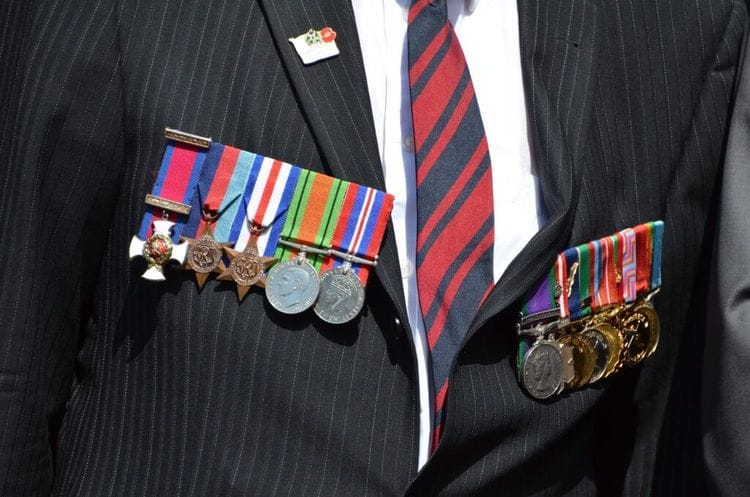
The memorial is one of 49 recommendations from The Etherton Review, an independent report that documented the horrifying treatment of LGBT veterans and led to measures including financial redress payments of up to 70,000 pounds, pardons for criminal convictions, and the return of medals and berets. Veterans who attended the unveiling ceremony said the monument signified closure after years of campaigning first to change the law and then to push the government to make reparations for the injustices they endured. Prime Minister Keir Starmer said the memorial stands as a lasting tribute to the bravery and service of these veterans, while the Ministry of Defence stated it deeply regrets the treatment of those impacted by the ban. For survivors like Ms Rághillíg, the memorial ensures that even when all the veterans are gone in 20 or 30 years, the ban and its devastating effects will be remembered for future generations.