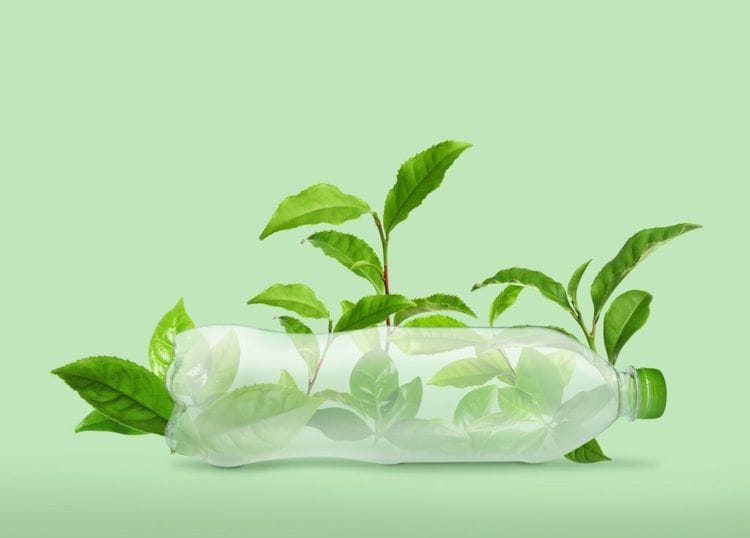
Scientists from Rutgers University have unveiled plastic for packaging that breaks down under everyday conditions at programmed speeds without adding heat or harsh chemicals. Assistant professor Yuwei Gu and his team published their groundbreaking study in Nature Chemistry. They arranged components of the plastic’s chemical structure so they could start breaking down when triggered. The breakthrough makes it possible to design plastics that break down at different rates depending on how long they need to last. Packaging for fresh produce or short lived foods won’t last for years in the environment. Packaging for items like toys or laundry detergents remains much more durable.
The team built in a triggering mechanism where the plastic doesn’t begin degrading until it’s exposed to strong sunlight. This means packaging stays completely stable during storage and use but begins to break down once it enters the waste stream and encounters sunlight. The researchers focused on polydicyclopentadiene, an extremely durable material used in agricultural equipment. Their strategy made PDCPD fully degradable without compromising its mechanical strength. They’re now designing related chemical building blocks that can be incorporated into major commodity plastics like PE, PP, PET, and PS. The system only requires incorporating about 5 to 10 percent of the degradable building block into existing plastic formulations. Early laboratory tests indicate that the liquid produced by the breakdown is non toxic. The principle could enable innovations like timed drug release capsules and self erasing coatings while supporting a green future where plastics disappear once they’ve served their purpose.