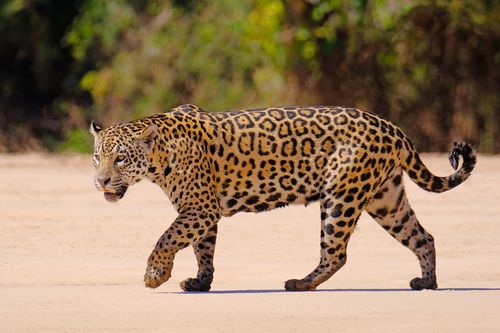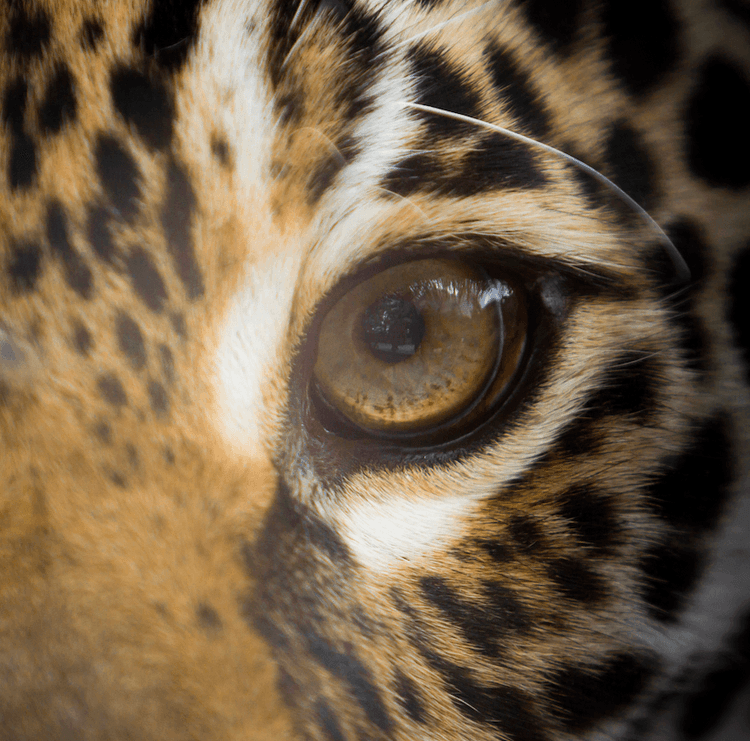
When researcher Gerardo Ceballos began Mexico’s first national jaguar census in 2010, he expected to find around 1,000 of these magnificent big cats and document a species teetering on the brink of extinction, but instead discovered four times that many, with over 4,000 jaguars thriving across the country. Fast forward to 2025, and the results of a second comprehensive survey using 920 motion-activated camera traps have left scientists absolutely stunned: Mexico’s jaguar population has grown by 30% to approximately 5,300 animals, making it nearly equal to the entire cheetah population of Africa. This incredible increase occurred during the 2010s, a decade that saw hundreds of thousands of acres of forest cleared, proving that jaguars are remarkably adaptable and resilient when given the chance to survive. The population distribution shows the Yucatán peninsula leading with 1,699 jaguars, followed by the south Pacific region with 1,541, demonstrating that conservation efforts and the cats’ natural versatility are paying off in spectacular ways.
As the world’s third-largest cat, jaguars possess exceptional adaptability that sets them apart from other big cats, they’re excellent tree climbers, avid swimmers, and even hunt in water, with incredibly strong jaws capable of piercing turtle shells and crocodilian hides. Their stalk-and-ambush hunting strategy gives them an almost peerless catch rate, and this versatility has proven crucial for surviving in Mexico’s gradually shrinking but still substantial forest habitats. Ceballos told The Guardian that this 30% increase over 15 years is “extraordinary” and represents desperately needed good news for both Mexico and the world’s conservation efforts. While threats remain from highway construction, habitat loss, and diseases transmitted through livestock, Mexico’s jaguars have demonstrated that with proper protection and their natural resilience, even the most challenged wildlife populations can not only survive but actually flourish in surprising ways.