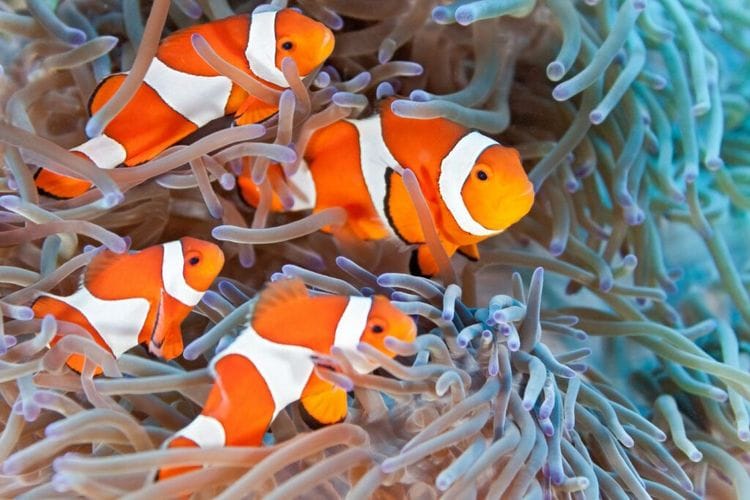
Researchers from Newcastle University made an astonishing discovery in Papua New Guinea during the extreme ocean heat wave of 2023 when they tracked 134 orange clownfish and watched 101 of them shrink their bodies more than once as water temperatures spiked. This represents the first documented case of coral reef fish temporarily reducing their size to survive heat stress, a survival strategy that gave smaller fish a stunning 78 percent higher chance of making it through dangerous conditions. By shrinking their bodies, clownfish lowered their energy demands during times when food became scarce and living conditions turned hostile as their protective sea anemones bleached from warming waters. The adaptation appears completely reversible, meaning once ocean temperatures returned to normal, the fish regained their original size and went back to their regular lives.
Scientists believe the fish may reabsorb bone material to reduce their size, which dramatically lowers their need for oxygen and food during the crisis period. The strategy even affects social relationships, as breeding pairs sometimes shrank together while females maintained just enough size advantage to keep their dominance over males and preserve the reproductive hierarchy that keeps populations stable. While Galapagos marine iguanas are known to shrink during El Nino events, this marks the first time anyone has recorded such behavior in coral reef fish. The discovery offers hope that some marine species possess hidden adaptive tools that could help them survive continued ocean warming, though researchers stress that adaptation alone cannot eliminate the urgent need to reduce emissions and protect coral reef ecosystems from further climate damage.