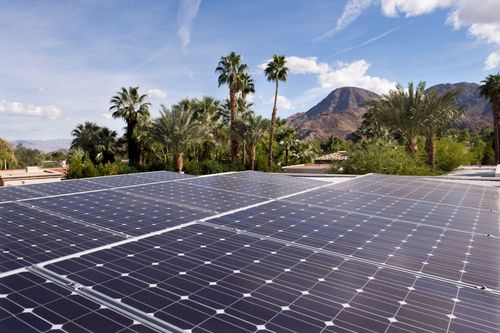
Concordia University researchers in Montreal have proven that neighborhoods can become completely self sufficient in vegetable production while slashing carbon emissions by 98 percent by dedicating just 13.8 percent of rooftops, 10 percent of building walls, and 15 percent of unused lots for growing fresh food locally. The groundbreaking study published in the journal Sustainability combines the 15 minute city concept where everything sits within walking distance with rooftop gardens, solar powered electric delivery vehicles, and local farmers markets that eliminate dependence on gas guzzling trucks bringing food from distant locations. The team tested their Food Production and Transportation Framework on West 5, a real neighborhood in London, Ontario that already serves as a testing ground for the university’s electrification research program, calculating exact numbers for food production capacity, walking distances to markets, and solar power requirements. The financial results look incredibly promising with the solar powered delivery system paying for itself in less than three years and producing clean electricity at around 92 cents per kilowatt hour after the initial investment period ends.
Lead researcher Caroline Hachem Vermette explains the goal centers on integrating energy, mobility, land use and social functions to bring daily needs closer to residents and help people reduce fossil fuel consuming trips they currently make for basic necessities. The system works by converting spaces communities already have but often waste, transforming flat rooftops from empty expanses of tar into vegetable gardens, building facades into vertical growing systems, and empty lots between houses into productive community garden plots. Solar panels embedded into sidewalks generate electricity while people walk over them, with electric vehicles collecting harvested vegetables and bringing them to grocery stores and farmers markets within one kilometer of most homes so everything stays local and produce arrives fresher. Beyond environmental gains, growing food and sharing it with neighbors fosters real bonds between people that build community resilience, with researchers planning to expand their model to include workplaces, schools, health centers, and recreation facilities creating interconnected neighborhood clusters that share food, energy and amenities.