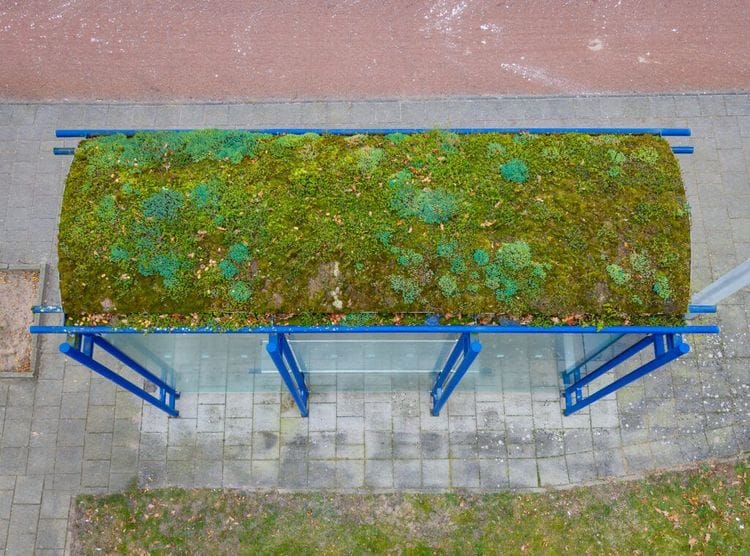
Cities across Europe, Asia, and the Americas are transforming ordinary bus shelters into thriving mini ecosystems by installing living rooftops covered with native plants and pollinator gardens. What started as a quirky feature in the Netherlands has spread worldwide, with Boston recently installing 30 green bus shelters and towns in Maryland, Arlington Virginia, and New York City planning similar projects. These compact rooftops feature succulents, wildflowers, and native grasses that do much more than look pretty, they cool surrounding areas by up to 20 degrees, attract bees and butterflies, and show residents how urban green spaces can be thoughtfully integrated into daily life. If all 8,000 of Boston’s bus stops had green roofs, the city would gain 17 acres of new green space, roughly the size of 13 football fields, proving that small actions can create meaningful environmental change across neighborhoods.
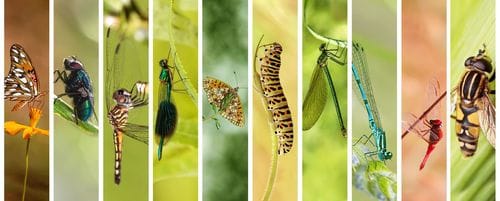
The Dutch city of Utrecht has been leading the movement with over 300 green bus shelters that form pollinator corridors providing safe passage and food sources for bees, and since the project began, national bee census data shows that bee populations are stabilizing. Boston has already spotted butterflies, bees, birds, and even squirrels visiting their rooftop gardens, turning bus stops into small pockets of biodiversity right at street level where nature is often lacking. Installation requires thoughtful engineering to support the weight of soil, water, and plants, along with root barriers, drainage layers, and lightweight moisture holding soil, while drought tolerant native species keep maintenance needs minimal once established. These living roofs also absorb stormwater and reduce runoff pollution, preventing contaminants from entering waterways during heavy storms while reducing pressure on drainage systems and reminding commuters every day that cities can beautifully coexist with nature.