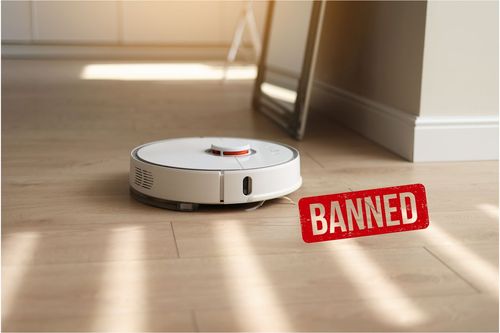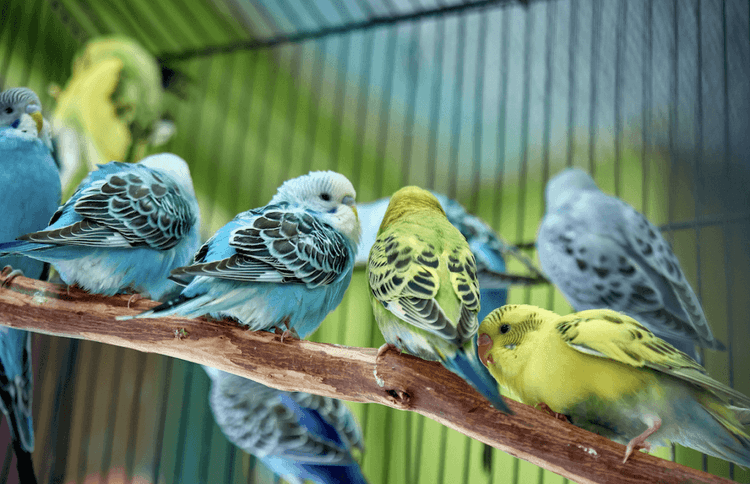
West Hollywood just passed the most comprehensive animal protection law in United States history by voting unanimously to ban the retail sale of all live animals including mammals, birds, reptiles, amphibians, arachnids, hermit crabs, and fish starting May 1, 2026. The California city already prohibited dog and cat sales back in 2010 to combat puppy mill cruelty, but this expanded ban protects species that have received almost no legislative attention despite facing similar commercial exploitation in breeding facilities. Federal inspectors documenting major animal suppliers have found decomposing animals among living ones, cannibalization in overcrowded enclosures, cages covered in waste and rotting food, and severely injured creatures with untreated conditions including hair loss, skin infections, and eye problems. Mayor Chelsea Byers championed the legislation after working closely with World Animal Protection and the Society for the Prevention of Cruelty to Animals Los Angeles to craft effective rules based on extensive research.
The ban addresses problems that extend far beyond individual animal welfare into public health, environmental protection, and shelter overcrowding issues. Commercial breeding operations create perfect conditions for zoonotic diseases that can jump to humans, while the exotic pet trade contributes to wildlife poaching, invasive species problems, and ecosystem disruption that depletes wild populations of vulnerable species. Animal shelters report being overwhelmed with surrendered pocket pets including guinea pigs, rabbits, hamsters, and reptiles originally purchased from pet stores by unprepared families misled by marketing that promoted them as low maintenance or beginner pets suitable for children. Pet stores can now partner with shelters and rescue groups to host adoption events or transition to selling only pet supplies and accessories, creating economic opportunities for legitimate animal welfare organizations while ending the commercial exploitation of living beings treated as disposable commodities rather than sentient creatures deserving respect.