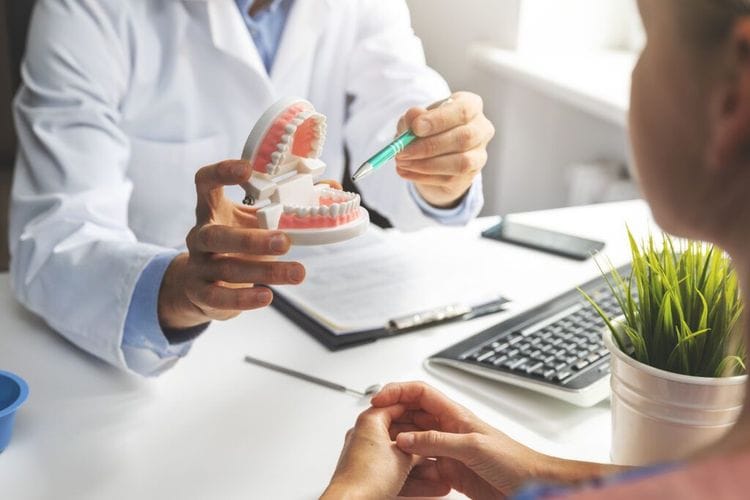
When 13-year-old Brent Chapman took ibuprofen for minor illness during a basketball tournament, he had no idea it would trigger Stevens-Johnson syndrome, a life-threatening autoimmune reaction that would leave him in a coma for 27 days and permanently blind in both eyes. After 20 years of failed treatments including 10 corneal transplants, Chapman became one of the first Canadians to undergo an extraordinary procedure called osteo-odonto-keratoprosthesis, or “tooth-in-eye” surgery, where doctors extracted his upper canine tooth, shaped it into a rectangle, and implanted a plastic lens inside it. The complex two-stage surgery first involved placing the tooth-lens structure in his cheek for several months to grow new tissue, then transferring it into his eye socket where it now serves as a permanent artificial cornea. The result left Chapman with 20/30 vision and a pink eye with a dark center where the lens functions like a tiny window to the world.
The first thing Chapman saw after his surgery was the Denver skyline from his doctor’s 16th-floor office, an emotional moment that brought both patient and surgeon to tears as they made eye contact for the first time. Dr. Greg Moloney, who performed the procedure, explains that teeth are ideal for this surgery because they’re among the hardest biological substances humans produce, making them less likely to be rejected by the body and creating a stable foundation that can last decades. Studies show that 90% of patients who undergo this surgery retain functional vision after 30 years, offering hope where traditional corneal transplants have failed. Now Chapman looks forward to traveling the world, especially Japan, and reuniting with work as a massage therapist, but his favorite sight remains his 4-year-old niece and 2-year-old nephew, proving that sometimes the most miraculous medical breakthroughs happen when doctors think far outside the conventional treatment box.