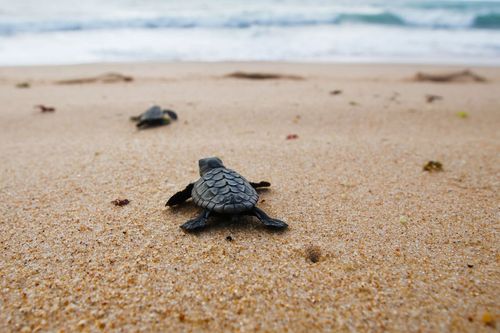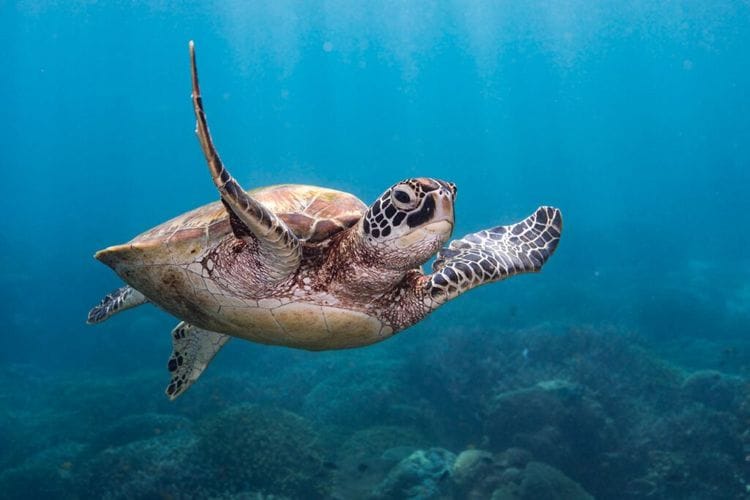
One million turtle nests have been counted along the western coastline of India, a number that leading sea turtle expert Kartik Shanker describes as “crazy high” and represents a stunning tenfold increase from just two decades ago when only 100,000 nests existed along the entire Indian coast. The olive ridley sea turtles, still listed as Vulnerable by the IUCN despite being the world’s most populous turtle species, are making a remarkable comeback thanks to dedicated conservation efforts including seasonal fishing bans, protected coastal zones, and beach cleanup programs. At the annual Velas Turtle Festival last April, thousands of tourists and locals gathered to watch and cheer as baby turtles flopped and flipped their way across the sand toward the ocean for the very first time. The transformation began after a single turtle egg was discovered in Velas in 2000, prompting Shanker to convince the town council to implement strict conservation measures including a ban on coastal construction.
Volunteers and conservationists now excavate nests dug by female turtles in January and place the eggs in large protected hatcheries to keep them safe from predators like birds, lizards, and dogs that would otherwise scavenge them from exposed shorelines. The Velas Festival team escorts each tiny hatchling to the water’s edge, ensuring every last baby turtle feels the salt on its scales for the first time while crowds cheer them on to safety. The recovery is particularly significant because only one in 1,000 baby turtles survives to adulthood, meaning the massive increase in nests is finally translating into robust population growth. This incredible conservation success story proves that when communities commit to protecting vulnerable species through measures like fishing restrictions and plastic trash removal, even animals once thought to be vanished forever can make a stunning comeback.