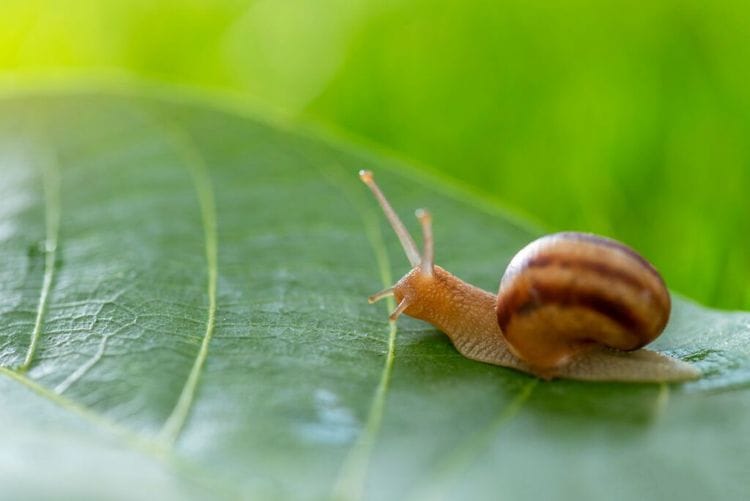
More than 7,000 critically endangered Partula snails have been released across four islands in French Polynesia in the largest reintroduction of the rare species to date, and conservationists marked each tiny shell with a white UV reflective dot to help track the nocturnal creatures after release. The breakthrough came when the monitoring team spotted something unmarked: a juvenile Partula varia, the first wild born member of the species recorded in more than 30 years, confirming that these snails aren’t just surviving but are actually breeding in their native habitat. Less than a year after moving from Extinct in the Wild to Critically Endangered status, conservationists also discovered wild born Partula tohiveana outside its original release area, suggesting the species is beginning to spread naturally across the islands.
This incredible progress is the result of decades of work led by the Zoological Society of London, which has coordinated almost 40,000 releases of Partula snails over the past decade with support from conservation zoos across the UK, Europe, and the United States. Eleven species and subspecies traveled more than 15,000 kilometers from institutions including London and Whipsnade Zoos, Bristol Zoological Society, Detroit Zoo, and Disney’s Animal Kingdom to return home. Wild populations were devastated in the 1980s and 90s after invasive rosy wolf snails were introduced, but today’s discovery represents not just hope for these tiny mollusks but proof that even species declared extinct in the wild can make miraculous comebacks. These Polynesian tree snails play a crucial role in forest health by recycling nutrients and helping prevent disease spread, making their return a victory for entire island ecosystems that have been missing these glowing little heroes for far too long.