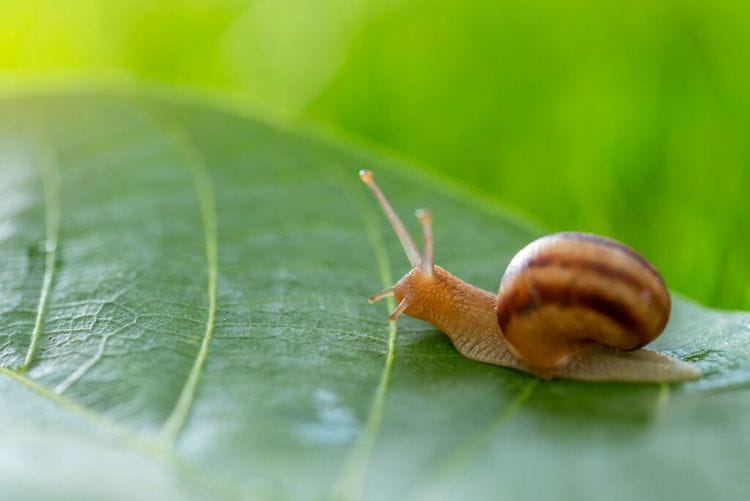
The Campbell’s keeled glass-snail was officially declared extinct in 1996, joining the tragic list of lost species like the thylacine. But in 2020, everything changed when a Norfolk Island citizen scientist sent surprising photos to Dr. Isabel Hyman at the Australian Museum, showing an unusually large snail he’d discovered hidden under a decayed palm frond. The thumbnail-sized molluscs, which had been written off as gone forever, were actually surviving in a tiny sheltered valley on the remote South Pacific island.
In an ambitious rescue mission five years in the making, 46 snails were flown to Taronga Zoo in 2021 for a captive breeding program that would ultimately grow the population to over 800 individuals. This past June, 600 of these delicate creatures made the 1,700-kilometer journey from Sydney back to Norfolk Island in blue plastic crates marked “LIVE ANIMALS,” representing what scientists believe is the first large-scale snail translocation in Australian history. Though a devastating mould outbreak killed 260 snails shortly after arrival, the surviving 340 were released into a beautiful valley surrounded by palm trees, complete with irrigation systems and protective measures against invasive predators. Each tiny snail was painstakingly tagged for monitoring, and researchers are already finding babies in the wild, giving them high hopes for the species’ recovery. The team is now updating the official extinction listing to reflect this remarkable comeback story.