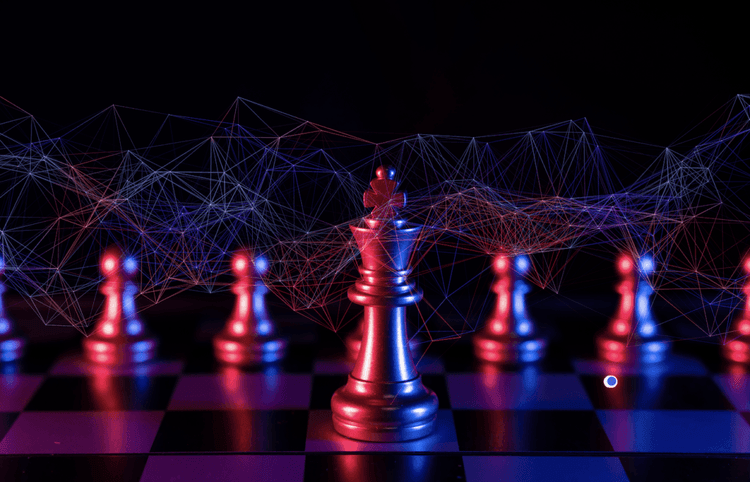
Thirty years ago on a cold February day in 1996, hundreds of chess fans filed into the Pennsylvania Convention Center in Philadelphia to watch history unfold as world chess champion Garry Kasparov faced off against a supercomputer called Deep Blue that could calculate 100 million chess moves per second. Computer programs had been beating amateurs since the 1960s, but most experts still thought a champion’s mind had the advantage because computers struggled to evaluate whether one position was slightly better than another, which is where humans supposedly had a big edge. As the game got underway, Kasparov played aggressively, but Deep Blue did not feel fatigue or get distracted and had been trained on every single game Kasparov had ever played, which sounds absolutely terrifying when you think about it.
As the hours passed, the balance shifted and Kasparov miscalculated while Deep Blue did not, and then came checkmate marking the first time ever that a computer had beaten a world champion in a regulation chess game. Kasparov would regroup magnificently though, winning the next three games and drawing two to take the 1996 match with a final score of 4 to 2, but he spoke afterward about how rattled he was, explaining that Deep Blue attacks without hesitation, has no doubts, and finds the shortest cut to any weakness in your position. Technology kept marching forward relentlessly, and just one year later an upgraded Deep Blue would defeat Kasparov outright in a six game match in what became a defining moment for artificial intelligence. Today computer intelligence surpassing Deep Blue’s is commonplace and exists even on the smartphones in our pockets, but that game in Philadelphia on February 10, 1996 marks the historic moment when we first proved that an intellect we built could beat the absolute best of us at our own game, paving the path for the AI dominated world we live in today.
Source: https://en.chessbase.com/post/30-years-ago-kasparov-deep-blue