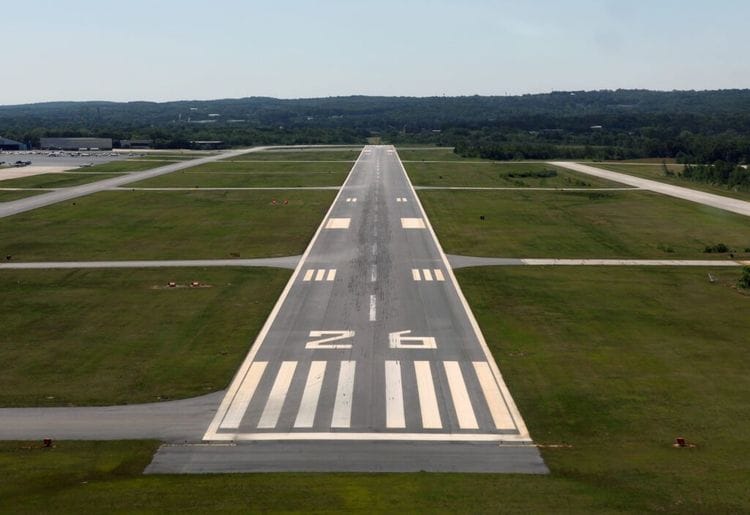
Cities around the world are transforming abandoned airports into massive green spaces that give residents room to breathe, play, and connect with nature in ways urban life rarely allows. Berlin’s Tempelhofer Feld, a 953 acre decommissioned airfield just 15 minutes from the city center, has become the German capital’s largest open space where people play cricket, rollerskate, tend community gardens, and fly kites across runways that once saw Nazi prison camps and Cold War airlift operations. The site’s dark history makes its current role as a public gathering space even more meaningful, as residents voted in 2014 to preserve it entirely for public use and reject all commercial development forever. With over 1,000 abandoned airports in the United States alone, plus 750 underutilized ones in Europe and many more across Asia and South America, communities face a critical choice about what happens to these massive properties.
The numbers tell a sobering story about why these transformations matter so much for public health and wellbeing. Seventy five percent of 344 cities analyzed lost green space recently, with a total loss of around 61 million square miles largely due to construction and urban expansion, yet up to 43,000 premature deaths a year in Europe could be prevented if cities achieved the World Health Organization recommendation of at least 1.2 acres of green space within 1,000 feet of every home. Success stories include New York’s Floyd Bennett Field with over 1,300 acres of grassland for cycling and bird watching, Shanghai’s Xuhui Runway Park built on the city’s only civilian airport until 1949, and London’s Hanworth Air Park where skylarks nest on former aircraft manufacturing grounds. While converting contaminated airfields into parks can be expensive and complex, cities are discovering that partnerships between public bodies and private capital can remediate soil while creating spaces that benefit entire communities for generations.