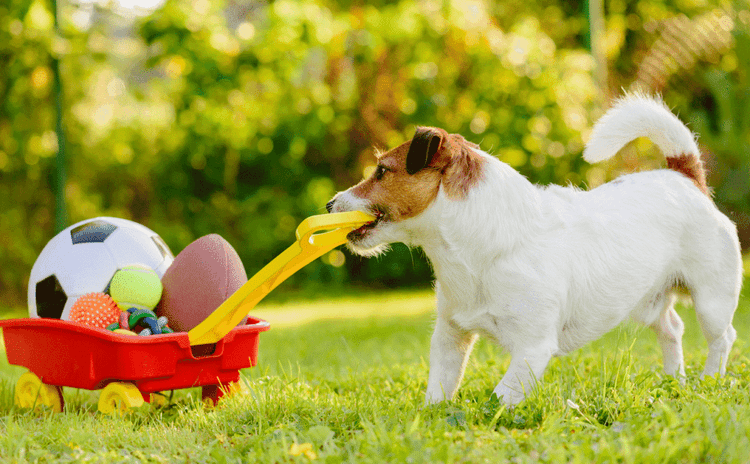
Groundbreaking research from Eötvös Loránd University in Budapest has revealed that some dogs can categorize toys by function just like human infants, even when the objects look completely different from each other. The study, published in Current Biology, focused on Gifted Word Learner dogs who learned to associate toys with specific actions like “pull” or “fetch” during natural play sessions with their owners over just one week. Remarkably, when these dogs were later introduced to entirely new toys without hearing any labels, they could still correctly group them based on how they were meant to be used rather than how they looked.
Study author Claudia Fugazza explained that this ability mirrors human thinking, comparing it to how we understand that a rock and a hammer serve the same function despite looking nothing alike. The research suggests that dogs can form mental representations of objects based on their purpose, revealing sophisticated cognitive abilities related to language, memory, and categorization that scientists are only beginning to understand. This natural learning happened without extensive training, simply through owners playing games with their pets in familiar home environments. The discovery opens exciting new questions about canine intelligence and whether dogs without special word-learning abilities might also possess this remarkable capacity to think about objects in terms of their function rather than just their appearance.