Finnish Study Finds Screen Time May Not Hurt Teens
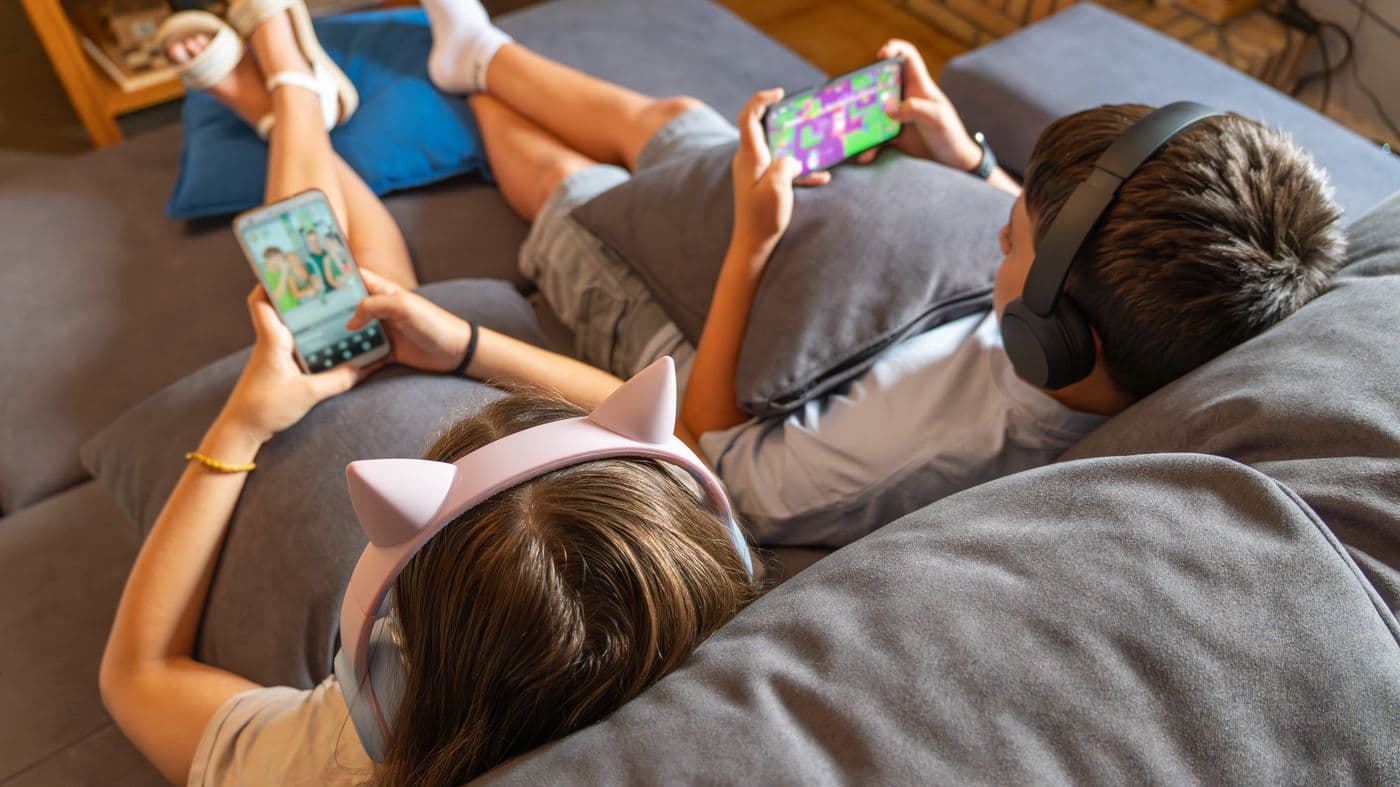
Here is a finding that may ease a few worries for parents and grandparents. A Finnish study that followed children for eight years found that more screen time since childhood was linked to better cognitive processing in the teen years. Researchers at the University of Jyväskylä and the University of Eastern Finland looked at 260 participants, 124 girls and 136 boys, whose average age at the teen check-up was 15.8. Cognitive processing means taking in information, paying attention, remembering, learning, and solving problems. The teens took a computerized test covering learning, attention, and working memory. Activity and sitting time were tracked with a wearable sensor and with questionnaires. The findings come from the PANIC study, a long-running Finnish project on children's physical activity and nutrition, and were published in the journal Pediatric Exercise Science.
There is more to it. For girls, more light physical activity since childhood, which is gentle movement that barely raises breathing or heart rate, was linked to better working memory as teens. For boys, more guided activity, such as organized sports, was linked to better working memory. Teens who reported less unsupervised activity also tended to score better on cognitive processing. The sensor data showed no link between overall activity or sitting time and thinking skills. One important note: these are associations, not cause and effect. The study does not prove that screens improve thinking, and the researchers say more intervention studies are needed. Doctoral researcher Petri Jalanko says what children do on screens is probably the key point, and that adults should encourage uses that spark problem-solving, creativity, and learning. He also shared this takeaway: "We should not regard screen time solely as harmful but seek balance between physical activity and screen time that promotes active thinking." So the next time a grandchild is deep in a clever puzzle game, you can at least say the science is still sorting it out.
Source:Scientists tracked kids for 8 years. What they found about screen time was surprising