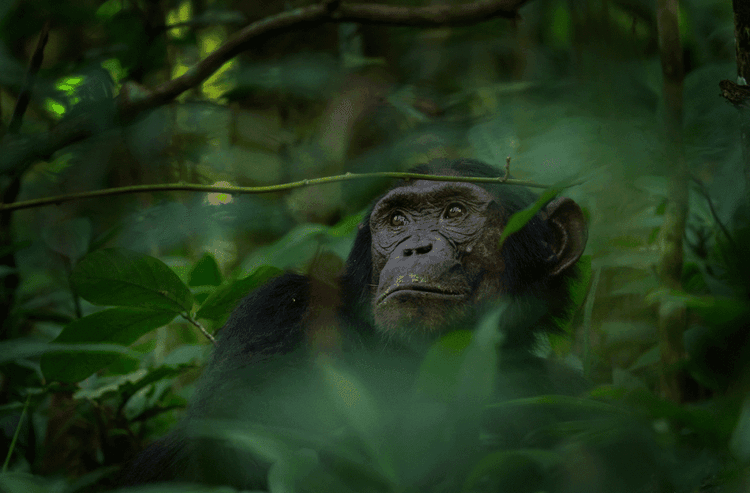
Jane Goodall, the legendary primatologist who revolutionized our understanding of chimpanzees through decades living among them in Tanzania’s Gombe National Park, passed away from natural causes in October 2025 at age 91 while still actively on a speaking tour. The founder of the Jane Goodall Institute, who authored over 25 books during her remarkable career, left humanity one final treasure: “The Book of Hope: A Survival Guide for Trying Times,” written in 2021 with Douglas Abrams and Gail Hudson. In this profound work, Goodall outlined four concrete reasons for hope even in the darkest moments: human intellect, the resilience of nature, the power of young people, and the indomitable human spirit.
Goodall made a crucial distinction that many miss about hope, explaining that real hope is the opposite of passive wishful thinking and instead requires action and engagement with the world’s challenges. Her co-author Douglas Abrams revealed that Goodall differentiated hope from idealism, noting that while idealism expects everything to be fair or easy, hope acknowledges evil and responds to it without being overwhelmed by obstacles. In a 2016 Democracy Now interview, the conservationist emphasized that change isn’t about one person making a difference, but about billions of people making ethical choices every day about what they buy, eat, and wear. Goodall’s legacy reminds us that hope isn’t blind optimism but rather an active choice to engage with reality’s challenges, and when multiplied across millions of people taking action, it creates the movement toward change that transforms our world.