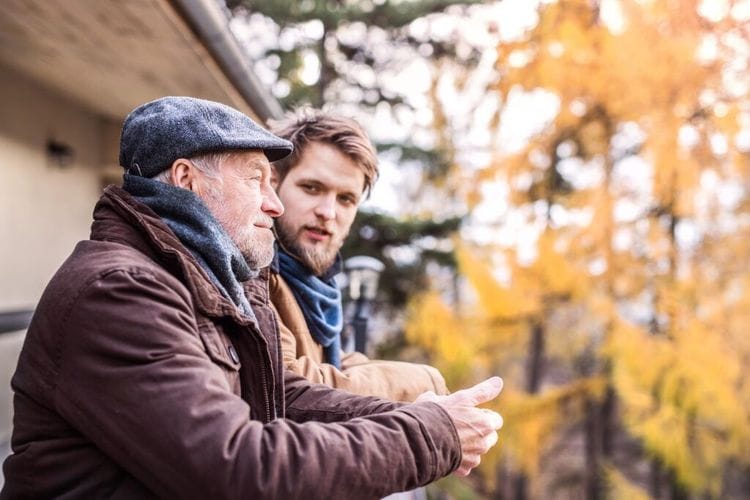
New research reveals that nearly four in ten adults have a close friend who is at least 15 years older or younger than them, and an overwhelming 93% of these people report that their intergenerational friendship offers unique benefits they simply cannot get from same age peers. According to a comprehensive AARP survey of 1,500 adults, these cross generational bonds are proving to be powerful antidotes to loneliness, with nearly half lasting at least 10 years and one in five enduring for more than two decades. Adults with younger friends report that these relationships help them see fresh perspectives, gain greater appreciation for their own experiences, and feel heard in ways that same age friendships sometimes cannot provide, while those with older friends cite inspiration, mentorship, and access to invaluable role models as key benefits. Ronald Siegel, an assistant professor of psychology at Harvard Medical School, explains that while we naturally gravitate toward age similar peers like “a fish in water,” this comfort zone can be profoundly limiting and that approaching different generations with curiosity rather than bias opens doors to tremendous wisdom and psychological flexibility.
The health benefits extend far beyond companionship, as research shows these friendships actively combat ageism, improve empathy and social skills in younger people, provide older adults with renewed sense of purpose and engagement, and even boost brain health by forcing our minds to work harder as we navigate different cultural references and life experiences. Dr. Aarthi Chandarana, a family medicine specialist at Henry Ford Health, notes that younger people benefit from the wisdom of someone who has already traveled the path they’re on, while older friends derive deep satisfaction from feeling needed, useful, and relevant in meaningful ways. These bonds typically form in workplaces (26%), neighborhoods (12%), churches or temples (11%), and through mutual friends (10%), proving that shared interests and values matter far more than birth year when it comes to genuine connection. In a world where one in three seniors report not making a new friend in at least five years, experts urge people of all ages to intentionally seek out these cross generational relationships through volunteer work, clubs, community activities, and simply choosing to sit next to someone from a different generation at your next social gathering.