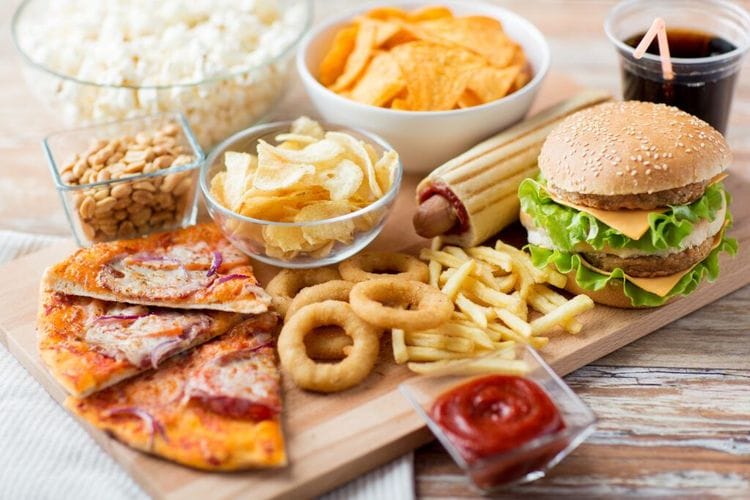
The United Kingdom has implemented a sweeping nationwide ban on junk food advertising starting Monday, prohibiting foods and drinks high in fat, salt, and sugar from appearing on television before 9pm and banning them completely from online platforms at any time. The crackdown applies to products considered the biggest drivers of childhood obesity including soft drinks, chocolates, sweets, pizzas, ice creams, some breakfast cereals, sweetened bread products, and even certain main meals and sandwiches, though plain oats, most porridge, muesli and granola remain exempt unless they contain added sugar, chocolate or syrup. NHS data reveals that almost one in 10 reception aged children are now living with obesity while one in five children have tooth decay by age five, with obesity costing the NHS more than 11 billion pounds every year and evidence showing that children’s exposure to unhealthy food advertisements directly influences their eating habits from a very young age. The government estimates this advertising ban will prevent around 20,000 cases of childhood obesity, with decisions over banned products based on a scoring tool that balances nutrient levels against saturated fat, salt and sugar content. Fast food firms can still advertise using their brand names and logos like the PepsiCo logo or McDonald’s arches, meaning larger companies with big marketing budgets may be less affected than smaller businesses that rely on product specific education campaigns.
The Food and Drink Federation said manufacturers have been voluntarily abiding by the new restrictions since October and remain committed to working in partnership with the government to help people make healthier choices, noting that their members’ products now contain a third of the salt and sugar and a quarter of the calories compared to ten years ago. Katherine Brown, professor of behavior change in health at the University of Hertfordshire, called the ban long overdue and a move in the right direction while emphasizing that children are highly susceptible to aggressive marketing of unhealthy foods, and urged the government to make nutritious options more affordable, accessible and appealing alongside these advertising restrictions.