
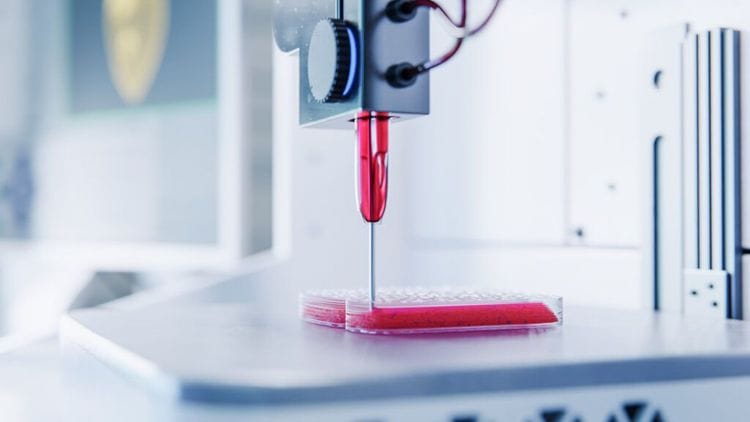
Scientists at Carnegie Mellon University received 28.5 million dollars from the Advanced Research Projects Agency for Health in January 2026 to develop functional 3D bioprinted liver tissue that could revolutionize treatment for acute liver failure and potentially end the transplant crisis affecting over 100,000 Americans currently waiting for organs. The breakthrough project called Liver Immunocompetent Volumetric Engineering or LIVE aims to create temporary human liver tissue that acts like a patch providing patients enough time for their own livers to regenerate. The goal is creating a piece of liver tissue as an alternative to transplant specifically for acute liver failure, and the bioprinted liver would last about two to four weeks giving patients time for their own liver to regenerate so they would not need a liver transplant. The team uses Carnegie Mellon’s Freeform Reversible Embedding of Suspended Hydrogels platform called FRESH to create liver tissue made entirely of human cells and structural proteins like collagens, and unlike other experimental approaches these tissues are created from the ground up to be immune compatible meaning no immune suppression medications are required.
Feinberg emphasized that the real challenge is the immune system, so they will be using hypoimmune cells which are engineered to be universal donors allowing anyone to receive the cells and tissues without needing immune suppression drugs that are often toxic to remaining liver and kidney tissue. The project team includes experts from the University of Washington, Mayo Clinic and the University of Pittsburgh, and within five years the goal is to have an adult scale liver ready for pre-clinical testing. Every year around 100,000 transplants are performed in the United States and nearly as many people are waiting for their own life saving operation, with the liver being the second most in demand organ after kidneys. If the platform works successfully it could eventually be adapted to print heart tissue for infants with birth defects, insulin producing cells for diabetics, or even kidneys and other organs that currently require years of waiting for donors.














