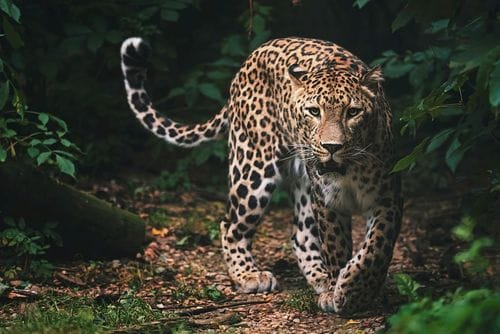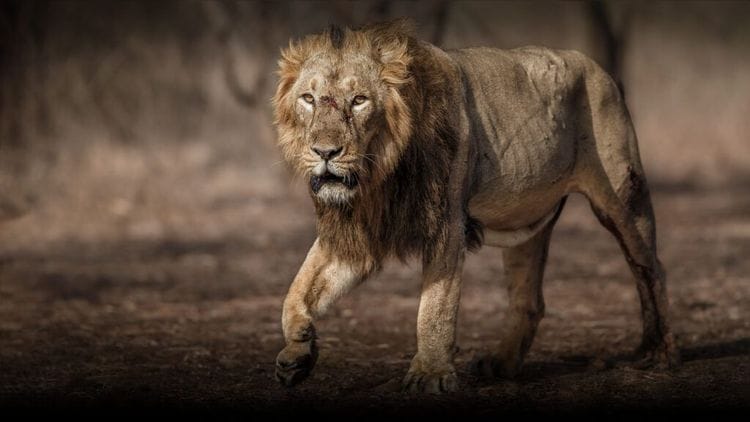
Early morning fishermen along Gujarat’s Saurashtra coast are witnessing something extraordinary as massive paw prints appear in the wet sand and lions emerge from nearby scrub, making the Arabian Sea shoreline their new home. The latest 2025 census records 891 Asiatic lions across India, including 134 now living along the coast in habitats once thought completely unsuitable for jungle royals who traditionally inhabited only the dense forests of Gir. This remarkable shift didn’t happen overnight, with the first coastal lion recorded in 1995, 100 living near the shore by 2020, and a stunning 34 percent increase in just five years proving the coast is no longer a passing stop but a permanent frontier.
The species has made an incredible comeback from barely 10 lions in 1913 to nearly 900 today, with GPS tracking revealing that coastal lions roam much farther than their forest cousins, covering an average of 171.8 square kilometers compared to 33.8 in Gir. Female lions are proving to be the true wanderers, covering up to 214.8 square kilometers as they find adequate prey like wild boars and blue bulls, comfortable temperatures thanks to sea breezes, and new territories away from the overcrowded protected areas. Conservationists now consider coastal sanctuaries like Barda Wildlife, located just 15 kilometers from the sea and housing 17 lions including breeding females, as promising second homes for the species. This expansion represents a century-long conservation success story but also creates new challenges as lions and humans learn to coexist where their worlds overlap, proving that wildlife can adapt in surprising ways when given protection and space.