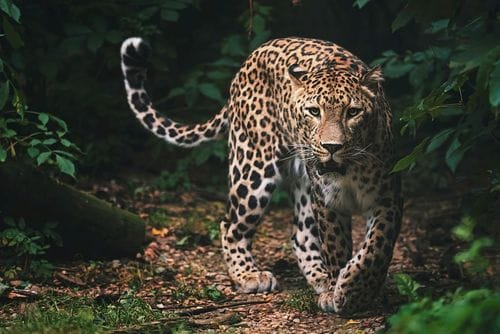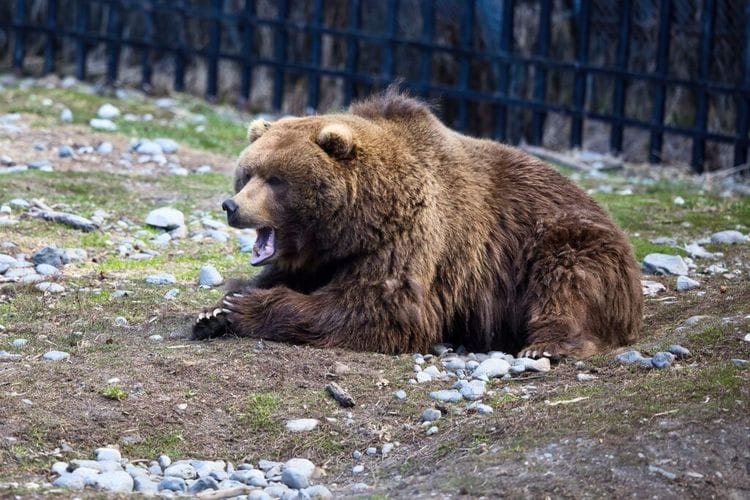
Five years after Argentine authorities shut down the notorious Lujan Zoo over safety concerns, 62 big cats and two brown bears that were left stranded in substandard conditions are finally being rescued in one of the most complex animal operations ever undertaken in Argentina. The zoo was famous for letting visitors handle and pose for pictures with tigers and lions, but when it closed in 2020, the captive animals were sustained by little more than a few loyal zookeepers who lost their jobs but took it upon themselves to continue feeding and caring for the abandoned cats. When animal rights charity Four Paws first visited in 2023, they counted 112 lions and tigers already down from the 136 housed at closure, and two years later almost half had succumbed to illnesses from poor nutrition, wounds from fights, infections from lack of medical care, and organ failure from stress. The shocking conditions included seven female lions crammed into a 10 square foot cage, while two Asian tigers shared a tiny enclosure with two African lions, a social composition that would never be found in nature and led to constant hostility and fighting.
After striking an agreement with Argentina’s government that committed the country to ending the sale and private ownership of exotic felines, Four Paws took over responsibility for the surviving animals last month and began emergency veterinary care. Veterinarians scrambled to assess animals one by one, discovering that most had not been vaccinated, sterilized, or microchipped, with quick checkups frequently transforming into emergency surgeries for bleeding gashes, vaginal tumors, infected molars broken on steel cage bars, and claws grown inward from walking on unnatural plank flooring. The Vienna based organization has previously evacuated starving tigers from Syria’s civil war and abandoned bears from war ravaged Iraq, but has never rescued such a large number of big cats before, making this one of their biggest missions worldwide. In the coming weeks, Four Paws will arrange transfers to more expansive natural sanctuaries around the world where a single lion typically gets 2.5 acres to itself instead of sharing cramped cages with incompatible species.