College Students Were Paid $5 A Night To Sleep 7 Hours, Their Grades Went Up
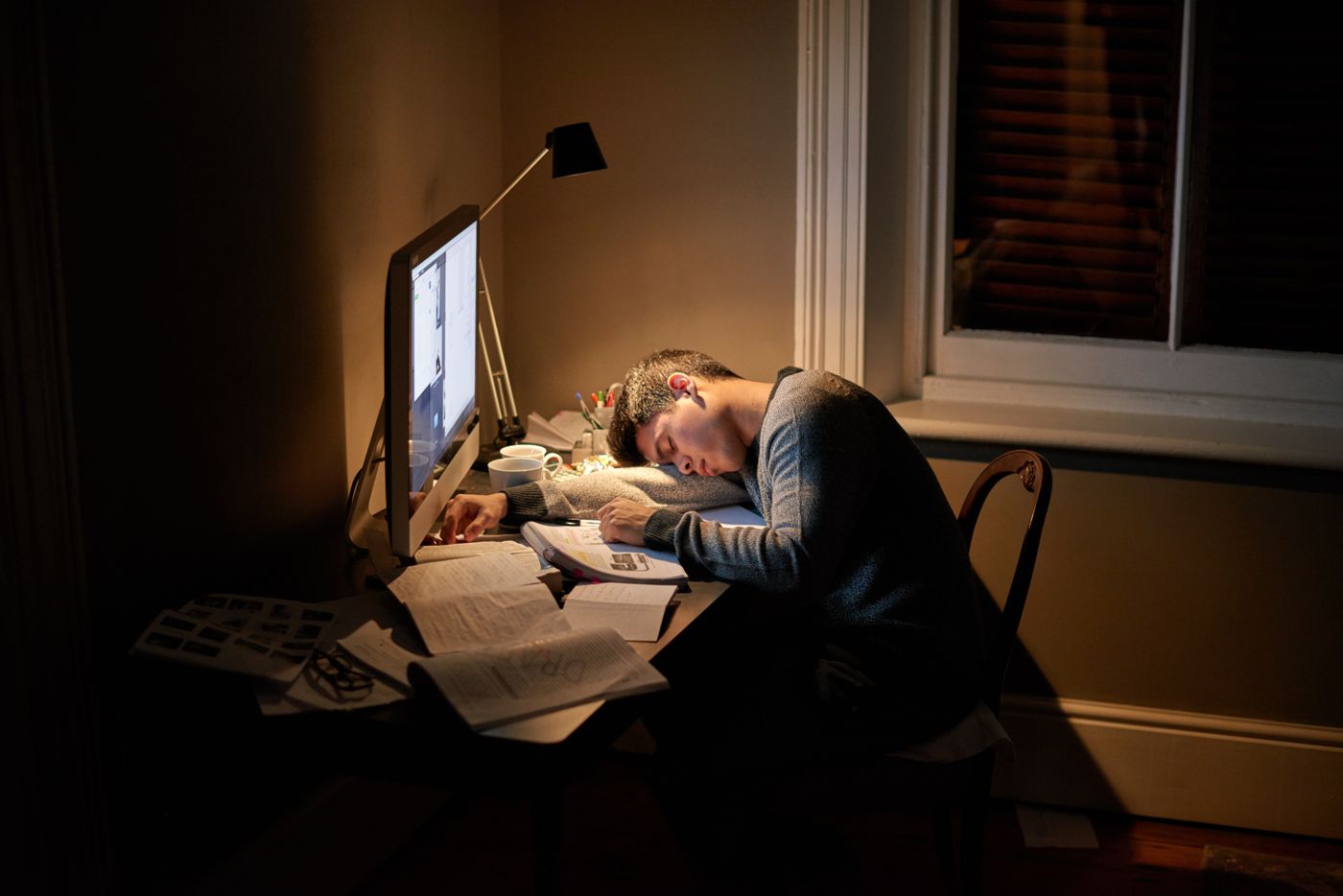
Economists Osea Giuntella of the University of Pittsburgh, Silvia Saccardo of Carnegie Mellon, and Sally Sadoff of UC San Diego enrolled more than 1,100 undergraduates at the University of Pittsburgh in a large-scale field experiment to find out whether small financial incentives could help college students sleep more, and whether sleeping more would actually improve their grades. The study, published in the Journal of Political Economy, is described by its authors as the first to provide causal evidence that improving sleep can directly enhance academic performance. Students wore Fitbits to track sleep objectively, and what the devices showed immediately complicated the starting assumptions: two-thirds of students said they usually got seven hours of sleep per night, but the trackers showed only about one-third actually did so on even three nights out of five. The average student was sleeping 6.6 hours per night, and about half went to bed after 1 in the morning. Researchers randomly assigned 468 students to receive roughly $4.75 per night for every night they achieved at least seven hours of verified sleep, supported by a custom smartphone app that delivered personalized bedtime reminders, morning feedback about the previous night, and immediate digital payments upon meeting the goal. The remaining students served as a comparison group.
The incentivized students slept approximately 19 more minutes per school night and hit the seven-hour target on 26 percent more nights than students who received no payment, a meaningful increase given how far below seven hours most of them had been starting. Their semester course grades rose by 0.075 to 0.089 grade points on average, a gain the researchers described as roughly equivalent to a quarter of the performance gap between students who arrived with above-average versus below-average high school grades. Freshmen showed the strongest improvements in both sleep and grades, which the researchers attribute to the challenges of managing their own schedules independently for the first time. STEM students also showed particularly large grade gains. Critically, total study time did not change: students simply shifted some studying out of late evening and into morning hours, suggesting the improvement came from sleep quality rather than more work. The effects persisted even after the payments stopped, with students sleeping about eight minutes longer per night for the remaining three to four weeks of the study, and grades stayed higher through the following semester before returning to baseline two semesters later. Giuntella said the results show that helping students sleep more and sleep better can boost academic performance as effectively as traditional academic interventions but at a fraction of the cost, and that one of the most effective tools for improving grades may have been sitting in students' bedrooms all along.
Source:https://nicenews.com/health-and-wellness/college-students-paid-sleep-grades-improved-study/