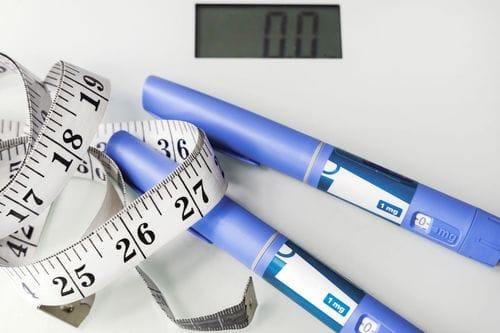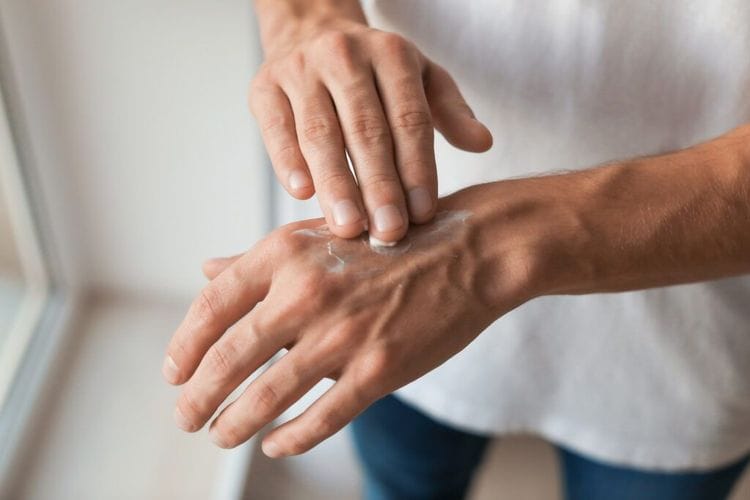
Scientists have achieved what was long assumed impossible by developing a topical insulin treatment that delivers the hormone through skin cream, potentially spelling an end to the invasive needles that millions of people with diabetes rely on for daily injections. The breakthrough came from researchers at Zhejiang University in China who engineered a clever delivery system using a polymer called OP that changes properties based on the skin’s natural pH gradient, which starts slightly acidic at the surface and rises toward neutrality in deeper layers. The polymer has a positive charge on the skin’s surface that allows it to stick to skin lipids, but at neutral pH it loses that charge and releases, by which point it has slipped through the skin barrier carrying insulin molecules that are normally too large and water loving to penetrate the oily outer layers.
In tests on human skin models and diabetic mice, the treatment brought blood glucose concentrations to normal levels within an hour with efficacy on par with insulin injections, then maintained stable levels for 12 hours. When tested on diabetic minipigs who are biologically more similar to humans, the results were comparable with blood glucose levels dropping to normal within two hours and remaining stable for the same 12 hour period. Once inside the body, the insulin accumulates in key glucose regulating tissues including the liver, fat, and skeletal muscles where cells take up the treatment and release the insulin inside, activating insulin receptors and enhancing glucose uptake just like injected insulin but in a more sustained manner that results in a smoother, more prolonged effect. The researchers found no signs of inflammation suggesting minimal harmful side effects, and the system may even work with other drugs including peptides, proteins, and nucleic acids, meaning that this pain free, easy to do at home treatment could revolutionize not just diabetes care but the entire field of drug delivery for conditions that currently require frequent injections.