Seattle Just Made It Illegal For Grocery Stores To Charge You More Based On Your Personal Data.
Seattle Mayor Katie Wilson signed the Fair and Transparent Pricing ordinance into law on October 5, 2026, making Seattle the first city in the United States to ban large grocery stores from using personal data and artificial intelligence to set individualized prices for shoppers. The Seattle City Council approved the measure by a 7-to-2 vote. Under the new law, grocery chains with at least 20 locations worldwide and grocery delivery services with at least 100 employees are prohibited from using personal information including race, gender, income, browsing history, social media activity, and chatbot conversations to determine what price a customer pays for food. All prices must be clearly posted and available equally to every shopper. Covered businesses must retain pricing and consumer data compliance records for three years, and the Seattle City Attorney holds authority to investigate potential violations, issue subpoenas, and bring civil enforcement actions. The substantive requirements take effect September 1, 2027, giving covered retailers time to update their systems. Small grocers, convenience stores, and farmers' markets are exempt from the ordinance. Mayor Wilson said people have been clear that they do not want their data fed into algorithms that decide how much they pay at the grocery store.
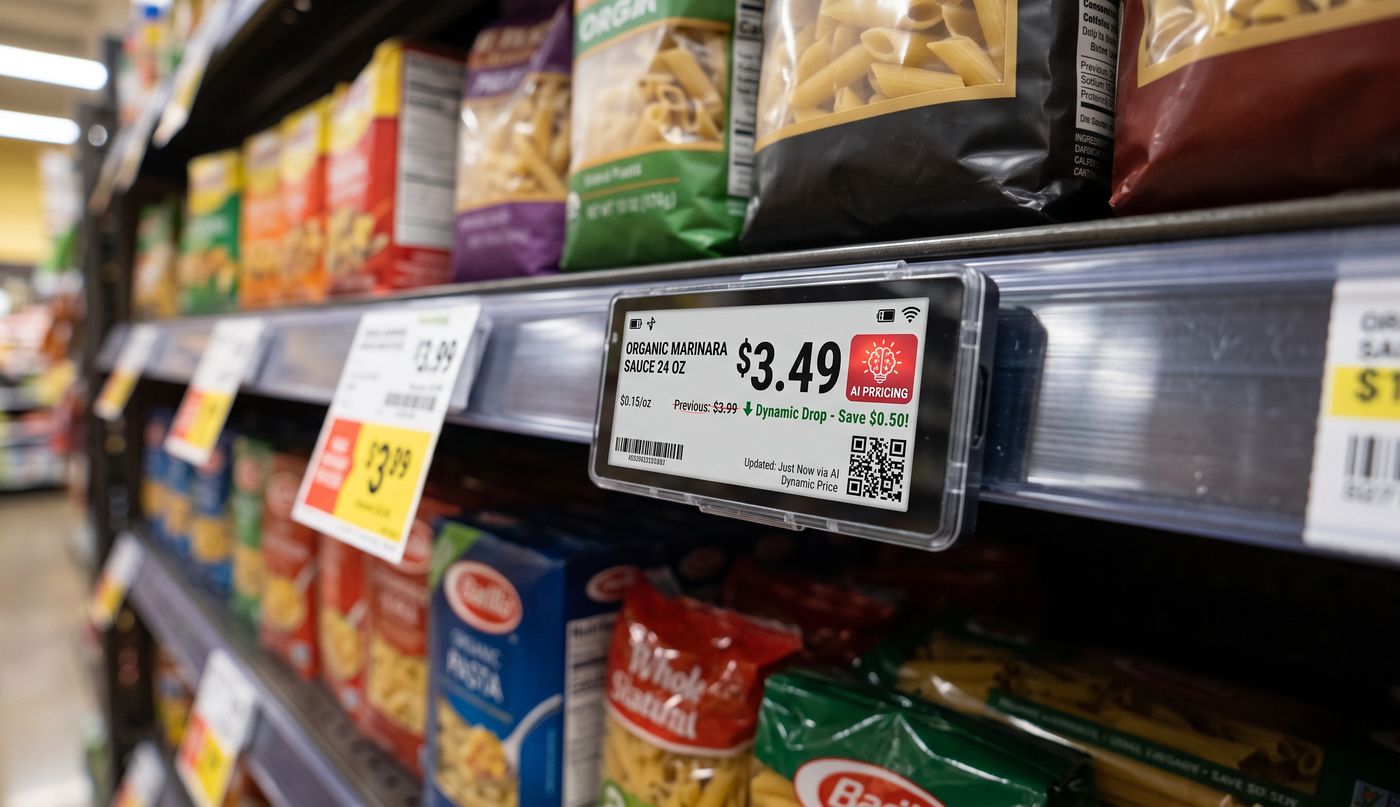
The law targets a practice that consumer advocates have called surveillance pricing, in which retailers use data collected about individual customers, including their shopping history, location patterns, and demographic profile, to identify how much each person can be charged before they stop buying. Electronic shelf labels, which allow prices to change in seconds rather than requiring physical price tags to be replaced, have made this kind of dynamic personalized pricing technically feasible at scale for the first time. Seattle's ordinance is the first broad city-level ban in the country, following state-level action on surveillance pricing in Maryland, Connecticut, and New Jersey. Councilmember Alexis Mercedes Rinck, who co-sponsored the bill, said the law establishes guardrails on how large businesses use personal information at a time when cuts to federal nutrition assistance have left many families with less to spend on food, and described it as an important step to prevent AI-assisted price gouging and ensure fair discounts for everyone. The grocery industry argued in hearings that the law could force stores to eliminate personalized discount programs, though the city's legal analysis found that the ordinance does not prohibit standard coupons, loyalty programs, or promotional pricing available to all shoppers. The distinction the law draws is narrow and specific: the same jar of peanut butter must cost the same for every customer who walks through the door, regardless of what the store's algorithm knows about that particular person's ability or willingness to pay more.