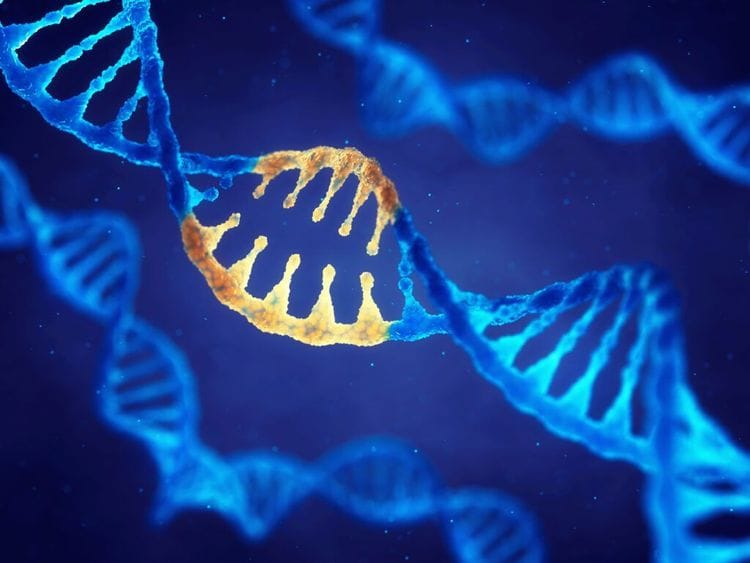
Scientists at the National University of Singapore have discovered that DNA can do far more than just carry genetic information. Researchers found that specific regions of DNA called phosphates act like tiny hands that guide chemical reactions to create the correct mirror image form of drug molecules, solving a major challenge in pharmaceutical production. Many medicines exist in two mirror image versions similar to left and right hands, but only one form effectively treats disease while the other could be useless or even harmful.
The team led by Assistant Professor Zhu Ru Yi discovered that DNA’s negatively charged phosphate groups can pull in positively charged molecules during reactions, aligning them perfectly to produce only the desired mirror image product through a process called ion pairing. Using a new experimental method called PS scanning, scientists systematically replaced individual phosphate sites to pinpoint exactly which parts of DNA were responsible for guiding the reactions. This breakthrough published in Nature Catalysis could make drug manufacturing cleaner, simpler, and more environmentally sustainable by reducing waste and energy use. Professor Zhu explained that while nature never uses DNA phosphates as catalysts, when designed properly they can act like artificial enzymes, revolutionizing green chemistry in pharmaceuticals and paving the way for next generation drug development.