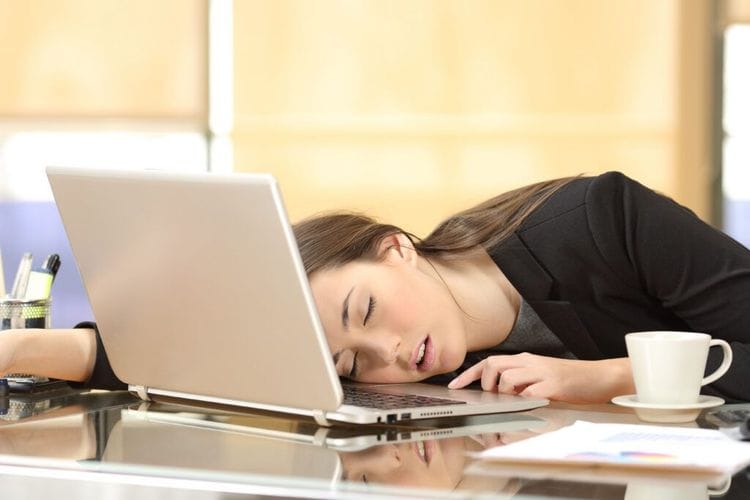
A secret society exists within the American workforce of people who regularly nap during work hours, sneaking rest breaks in parking garages, side streets, nap pods, or even their home offices because they believe the practice improves their performance despite the stigma. Multiple studies have confirmed the benefits of short naps for enhanced memory, focus, and cognitive performance, with experts recommending 15 to 30-minute power naps during the mid-afternoon circadian dip for optimal results. Famous nappers like Winston Churchill and Albert Einstein pioneered the practice, and now modern workers from marketing managers to company founders are embracing the power of microsleep to boost creativity and productivity.
While workplace napping is the norm in parts of Spain, Italy, China, and Japan, Americans who sleep on the job are often viewed as lazy, and the federal government even bans sleeping in its buildings during work hours except in rare circumstances. Some progressive companies are bucking this trend by installing nap rooms and sleeping pods, recognizing that well-rested employees are more productive, creative, and less likely to rely on multiple coffees or sugary snacks to power through exhaustion. Sleep experts emphasize that napping should supplement, not replace, adequate nighttime sleep, but even a six-minute nap can be restorative and improve learning. This growing movement of devoted nap-takers is challenging American workplace culture and proving that sometimes the best way to work harder is to sleep smarter.