University of Maryland researchers developed the first-ever antidote for carbon monoxide poisoning using an engineered protein called RcoM-HBD-CCC that acts like a sponge to rapidly soak up the toxic gas from blood. Carbon monoxide poisoning causes 50,000 emergency room visits and about 1,500 deaths in the US each year, with nearly half of survivors suffering long-term heart and brain damage even after treatment. The new therapy reduces the time it takes to clear half the carbon monoxide from blood to less than a minute, compared to over an hour with pure oxygen therapy and five hours without treatment. Scientists isolated the protein from a bacterium called Paraburkholderia xenovorans, which naturally uses it to sense tiny amounts of carbon monoxide in its environment.
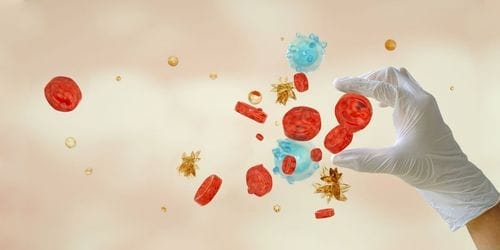
The engineered version is highly selective, grabbing carbon monoxide without interfering with oxygen or nitric oxide, which helps regulate blood pressure. Tests on mice showed the therapy worked quickly to remove carbon monoxide from red blood cells and was safely flushed out through urine. Lead researcher Mark Gladwin says this could become a rapid intravenous antidote given in emergency rooms or even in the field by first responders, potentially saving thousands of lives. The breakthrough could also lead to new treatments for hemorrhagic shock, severe anemia, and organ preservation for transplants, turning a discovery about bacteria into hope for countless patients facing the silent killer.