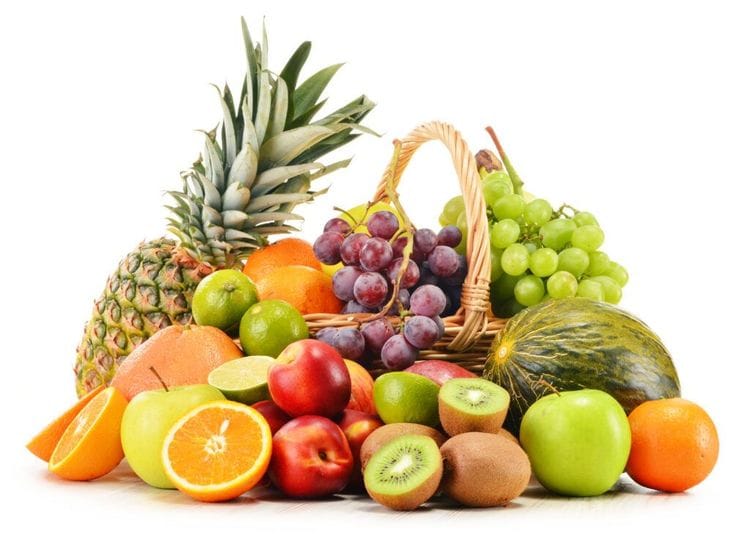
Research presented at the European Respiratory Society Congress in Amsterdam reveals that eating fruit may reduce the harmful effects of air pollution on lung function, offering hope to the over 90 percent of the global population exposed to air pollution levels exceeding WHO guidelines. PhD student Pimpika Kaewsri from the University of Leicester analyzed UK Biobank data from around 200,000 participants, comparing dietary patterns with lung function and exposure to fine particulate matter, discovering that women who consumed four portions of fruit per day experienced smaller reductions in lung capacity associated with air pollution compared to those eating less fruit. For every increase in pollution exposure of five micrograms per cubic meter, the low fruit intake group showed a 78.1ml reduction in lung capacity compared to only 57.5ml in the high fruit intake group among women.
The protective effect may be explained by antioxidant and anti-inflammation compounds naturally present in fruit that help mitigate oxidative stress and inflammation caused by fine particles, potentially offsetting some of pollution’s harmful effects on lungs. The study confirmed that a healthy diet is linked to better lung function in both men and women regardless of air pollution exposure, though the protective effect was only observed in women, possibly because men in the study generally reported lower fruit intake than women. Professor Sara De Matteis emphasizes that while a healthy plant-rich diet should be promoted starting from primary school for preventing chronic diseases and reducing carbon footprints, this doesn’t exempt governments from continuing environmental policies to reduce air pollution to as low as possible since there are no safe exposure levels. The research proves that sometimes the simplest solutions like eating more fruit can provide natural protection against modern environmental challenges, though personal dietary choices can’t replace the need for systemic air quality improvements.