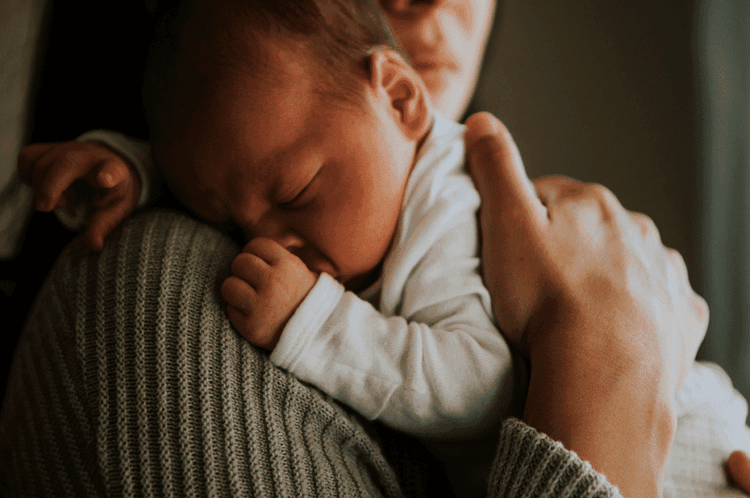
Michigan’s Rx Kids program, which gives pregnant women $1,500 mid-pregnancy and $500 monthly for their baby’s first year, just received a $270 million boost in the state budget that will allow it to expand from 11 communities to dozens more and reach approximately 100,000 babies over the next three years. The bipartisan program that began in Flint has already distributed over $13 million to about 3,500 families with remarkable results including 91 percent fewer evictions after birth compared to the year before, reduced postpartum depression, less back-owed rent, improved nutrition security, and better health outcomes. Local mother Alexus Towner says the money literally helped her cover entire rent payments while still having $50 or $40 left for diapers and hygiene products, while another mother used the funds to start a life insurance policy she never thought she’d afford and stay in the workforce while pursuing her master’s degrees.
Dr. Mona Hanna, the program’s director and associate dean of public health at Michigan State University, explains that the first year of a child’s life is economically vulnerable for parents and developmentally critical for babies whose brains double in size, making this investment about fundamentally caring for each other rather than just addressing poverty. The program has no income requirements or restrictions on how participants spend money, with the most common purchases being baby supplies like diapers, and each community must contribute philanthropic money to match state dollars though not necessarily at one-to-one ratios. Republican State Senator John Damoose strongly supports the program as a way for pro-life advocates to put their money where their mouths are by supporting pregnant women beyond just birth, calling it a no-brainer regardless of political affiliation. What began as a novel public-private partnership in one of America’s poorest cities is becoming a potential model for the entire nation, proving that direct cash assistance with no strings attached can transform family stability, maternal health, and infant outcomes while enjoying support across the political spectrum during an era when bipartisan victories are increasingly rare.