A 5,000-Year-Old Tomb In Spain Was Opened And Stuffed Full Of Treasures
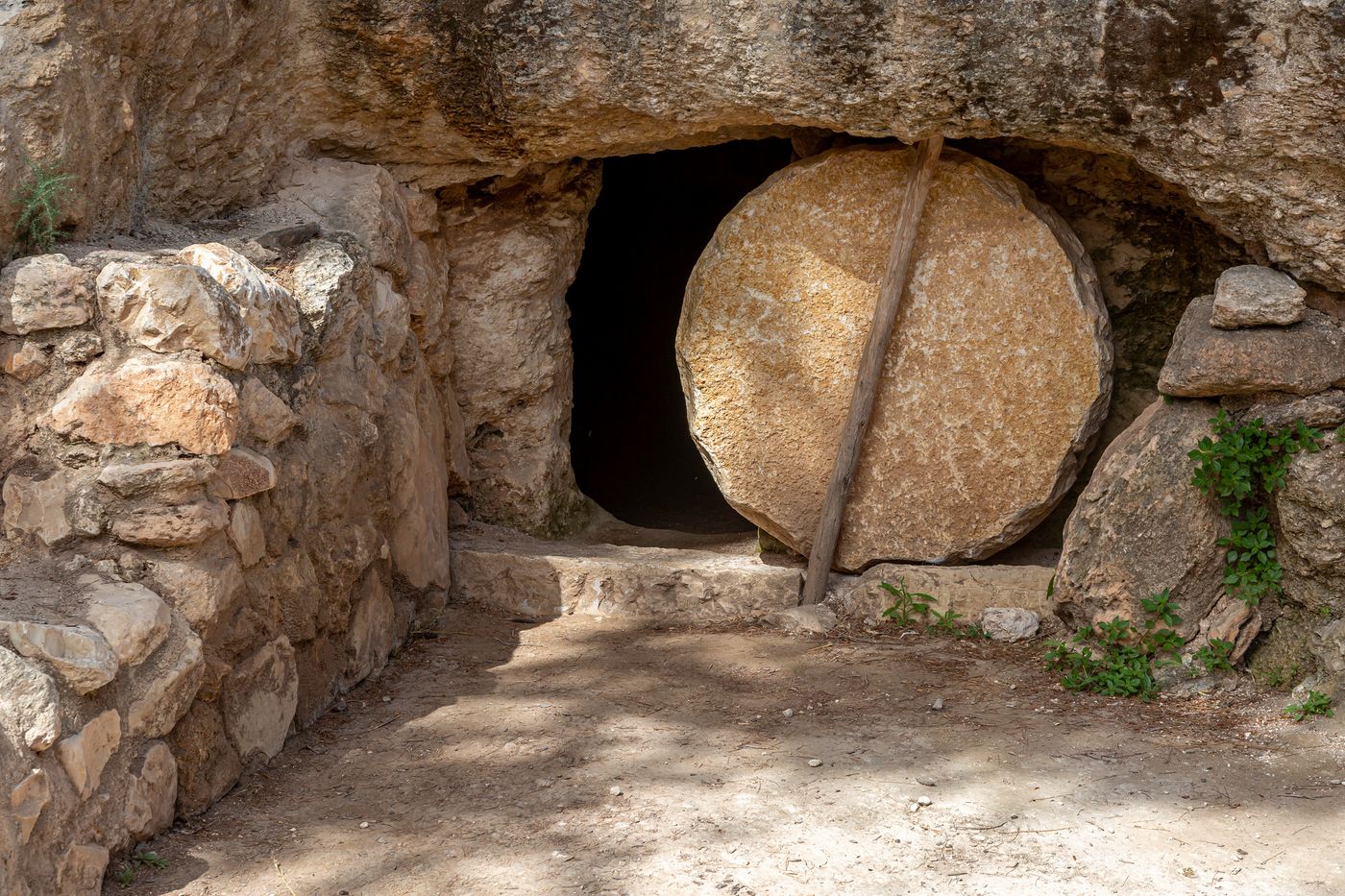
Archaeologists from the University of Cádiz uncovered a 5,000-year-old stone tomb in Málaga, in the Andalusia region of southern Spain, that measures an impressive 42 feet in length and is one of the most completely preserved prehistoric funerary structures ever found in the region. The structure is a dolmen, a type of megalithic monument built from upright stone walls topped with large capstone slabs and used as a tomb and ceremonial burial site by Neolithic communities across Europe. This one was discovered across a series of four excavations, and what makes it exceptional is not only its size but the extraordinary state of its preservation and the richness of what was found inside. Serafín Becerra, a professor at the University of Cádiz, described it as potentially one of the most monumental and complete dolmens in all of Andalusia, a region already known for its deep and layered archaeological heritage. The interior includes several separate compartments divided by upright orthostatic stones standing over six feet tall, suggesting the space evolved over time as the community that used it changed its burial practices and rituals across generations.
Inside the tomb, researchers found human skeletal remains alongside an extraordinary range of artifacts that point to a society with sophisticated trade networks and ceremonial beliefs. Seashells, amber, and ivory were recovered alongside flint tools and a halberd, a bladed weapon mounted on a long handle, and the presence of materials like amber and ivory indicates that the people buried here had access to goods traveling long distances through prehistoric exchange routes. Co-director Eduardo Vijande Vila said the true potential of the structure lies in its extraordinary state of preservation, which will allow researchers to gain a detailed understanding of the lifestyles and beliefs of these communities in a way that more damaged or looted sites cannot provide. The compartmentalized interior design, the quality of the construction, and the variety of burial goods all suggest the dolmen served as a significant ceremonial site for its community over an extended period rather than a single burial event. Andalusia is home to some of the most important megalithic sites in Europe, and this discovery adds a richly preserved new chapter to a region whose ancient inhabitants left behind monuments that still stand in the landscape five millennia after the last stone was placed.