Last Year's Beach Cleanup Collected 7.9 Million Pounds Of Trash And 6 Items Were Everywhere
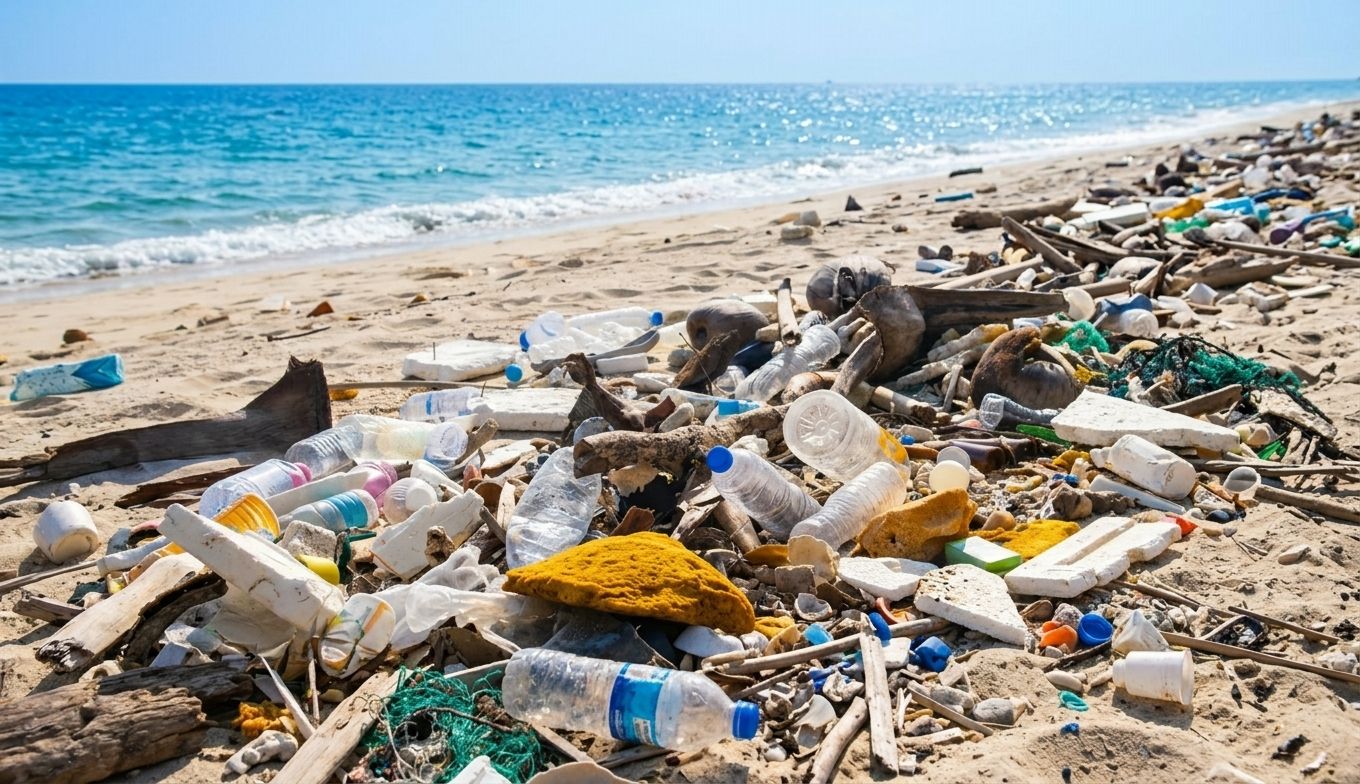
The International Coastal Cleanup, organized annually by nonprofit Ocean Conservancy and held each year on the third Saturday in September, is the largest single-day beach and waterway cleanup in the world, and its most recent results reveal what is sitting on the world's beaches in staggering specificity. Volunteers collected 7.9 million pounds of trash in a single day, a weight equivalent to more than 545 school buses, across cleanup sites spanning California, Alaska, Rhode Island, Germany, Argentina, Australia, Hong Kong, and dozens of other locations worldwide. The six most commonly found items tell a consistent story about the relationship between single-use packaging and ocean pollution. Plastic beverage bottles topped the list at more than 1.3 million collected. Cigarette butts came in second at over 1.1 million. Bottle caps placed third at over 885,000. Beverage cans came in at over 840,000, food wrappers including chip bags and candy wrappers at over 809,000, and plastic grocery bags rounded out the top six. In the United States alone, volunteers collected over 115,000 plastic beverage bottles and over 312,000 cigarette butts from beaches and waterways in a single day.
Dr. Anja Brandon, Ocean Conservancy's director of plastics policy, noted that plastic bottles are among the most recyclable items available and that their consistent presence at the top of the cleanup list tells two important truths: too much plastic is being produced, and too little of the waste is getting where it needs to go. She described both problems as fixable, pointing to bottle deposit return systems, expanded recycling infrastructure, and investment in reuse and refill programs as practical steps toward reducing the volume of bottles reaching the ocean in the first place. Plastic grocery bags, the sixth most collected item, are described by Ocean Conservancy as the item most likely to be mistaken as food by sea turtles, making their removal directly relevant to marine wildlife survival. Nick Mallos, the organization's vice president of conservation, said the cleanup results send a clear message that single-use plastics are polluting the ocean at an alarming rate and expressed hope that sharing the data publicly would inspire policymakers to take the bold action needed to end ocean plastic pollution. The International Coastal Cleanup has now collected more than 400 million pounds of trash since it began in 1986, with more than 19 million volunteers participating across more than 100 countries. The next cleanup takes place in September 2026, and registration is open now.
Source:https://www.yahoo.com/news/science/articles/world-largest-beach-cleanup-collected-130000047.html