214 Cities Have Dropped Flock Surveillance Cameras, And 90 Did It In August Alone
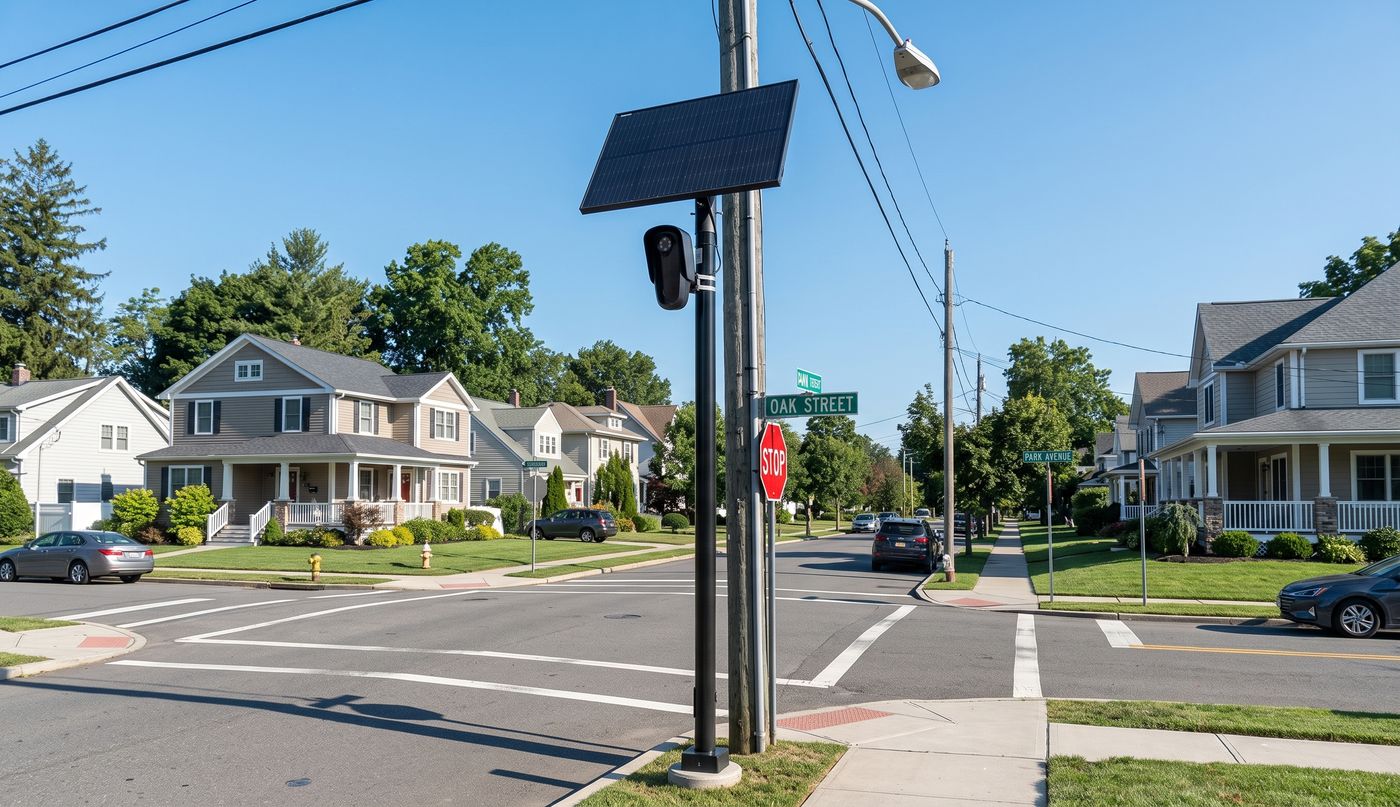
According to the anti-surveillance organization Secure Justice, 214 cities and counties across the United States have now ended their contracts with Flock Safety, the company behind a nationwide network of AI-powered automated license plate reader cameras that scan, log, and store vehicle movement data continuously. Ninety of those cancellations happened in August alone, a fourfold increase over July, averaging out to roughly three cities per day walking away from Flock during that single month. Communities from Lansing, Michigan, to Pflugerville, Texas, have ended their contracts citing a range of concerns including the cost of the cameras, the breadth of data sharing between agencies, the reach of the surveillance network, and documented cases of law enforcement officers misusing the system. A Washington Post investigation published in August found that more than 50 officers had been accused, charged, or convicted of misusing automated license plate reader systems for unauthorized purposes, including using the cameras to track former partners without their knowledge or consent.
The cancellation wave accelerated after two Phoenix suburbs, Tempe and Cave Creek, terminated their contracts within hours of each other in late August, with Tempe citing recent cases involving the misuse of automated license plate reader systems in Arizona and nationwide as the reason for shutting off all of its Flock cameras. Florida Governor Ron DeSantis called the spread of the cameras in his state out of control at a press conference, saying he did not want the country to become a surveillance state, and Senator Josh Hawley announced a Senate investigation into Flock's national network specifically asking who has access to hundreds of millions of Americans' data and what they are doing with it. Flock Safety said that new city partnerships have outpaced cancellations by approximately ten to one in 2026 and that the company's products remain in use across more than 5,000 communities. The number of communities that have walked away is nonetheless rising faster than at any previous point in the company's history, and the public conversation about who owns the data generated when a camera reads your license plate and where that information goes has now moved from advocacy organizations into state legislatures and Senate hearing rooms.