Fishermen Spotted Something On The Seabed And Called The Police. It Was A 2,000-Year-Old Roman Ship.
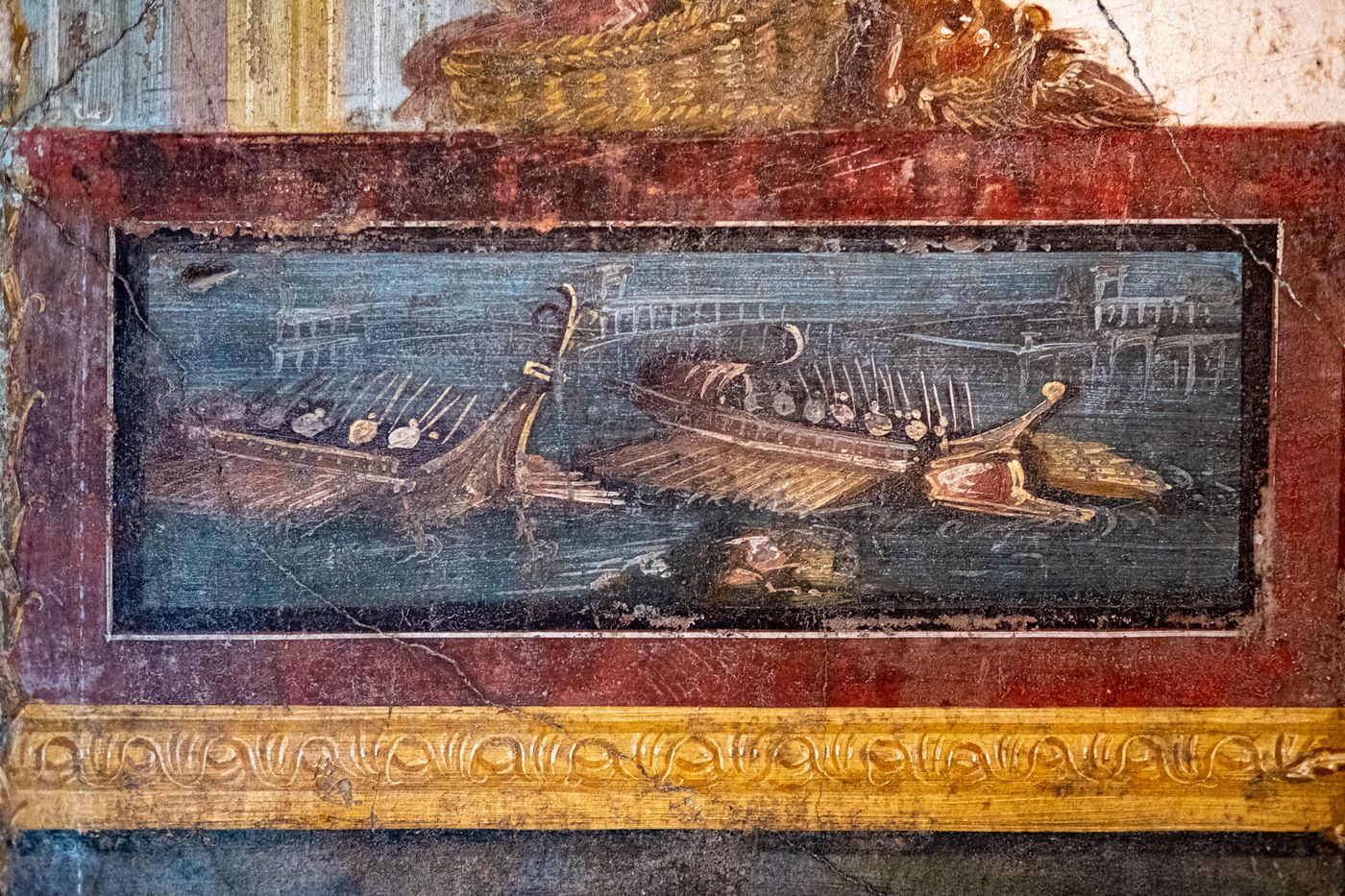
A diver working off the southwestern coast of Sicily described the moment he found it this way: he got closer, his heart stopped, and beneath him was an immense expanse of amphorae, hundreds of them, lying on the seabed as they had lain for over 2,000 years, a Roman ship asleep in the silence of the Mediterranean. When he resurfaced he told his partner that you cannot imagine what is down there. That tip eventually reached the Carabinieri military police cultural protection unit in Palermo, whose underwater divers verified what the fishermen had found: a Roman-era merchant vessel approximately 21 metres long and 6 metres wide, resting remarkably intact and upright in its sailing position at a depth of 46 metres, roughly three miles off Mazara del Vallo on Sicily's western coast. The ship is believed to date from between the second and first centuries BC, making it approximately 2,100 years old, and Italy's Culture Minister Alessandro Giuli described it as one of the most important underwater archaeological discoveries in the country in recent years.
The cargo the ship was carrying when it sank has been remarkably well preserved. Hundreds of Dressel 1A amphorae, the tall cylindrical clay jars with pointed bases that the Roman world used most commonly to transport wine, are piled nearly two metres high in a heap spanning more than 20 metres in length and six metres in width across the seabed. Some of the amphorae are the type associated with North African origin, and one is an older Neo-Punic amphora that predates the Roman standardization of the vessel type, giving the cargo a cultural range that archaeologists say reflects the complexity of Mediterranean trade during this period. Two lead anchor stocks measuring approximately 1.7 metres each were also found at the bow, along with a lead component believed to have been part of the ship's bilge pump. Because the depth makes direct study difficult, researchers are using three-dimensional digital photogrammetry to map and analyze the wreck in detail on dry land. Giuli said in his announcement that the sea continues to reveal precious fragments of history, and that this shipwreck tells the story of the people, the routes, and the exchanges that made the Mediterranean a crossroads of civilizations.