A 1,700-Year-Old Fragment Of The Odyssey Was Hiding In A Dutch University Library For Decades.
Mark de Kreij, a papyrologist at Radboud University in Nijmegen, was working through a collection of manuscripts in the Special Collections of the Utrecht University Library two years ago when he noticed something on a tiny piece of parchment tucked among a batch of Egyptian manuscripts: very small, very precise ancient Greek letters that he recognized immediately. Everyone who learns Greek learns Homer, he later told the regional broadcaster RTV Utrecht. The fragment he found is 6.6 centimetres by 7.7 centimetres, roughly the size of a standard playing card. It is discolored and covered in severe water stains. It had been sitting undetected in the library for decades, having been catalogued when it arrived as an unremarkable damaged later text, and purchased by the university in the mid-20th century from the heirs of German scholar Carl Schmidt as part of a batch of early Christian manuscripts. What nobody noticed until de Kreij looked closely is that it contains verses from Book 12 of Homer's Odyssey, composed around the 3rd or 4th century AD, making it approximately 1,700 years old and one of only around 30 comparable fragments known to survive anywhere in the world from that period.
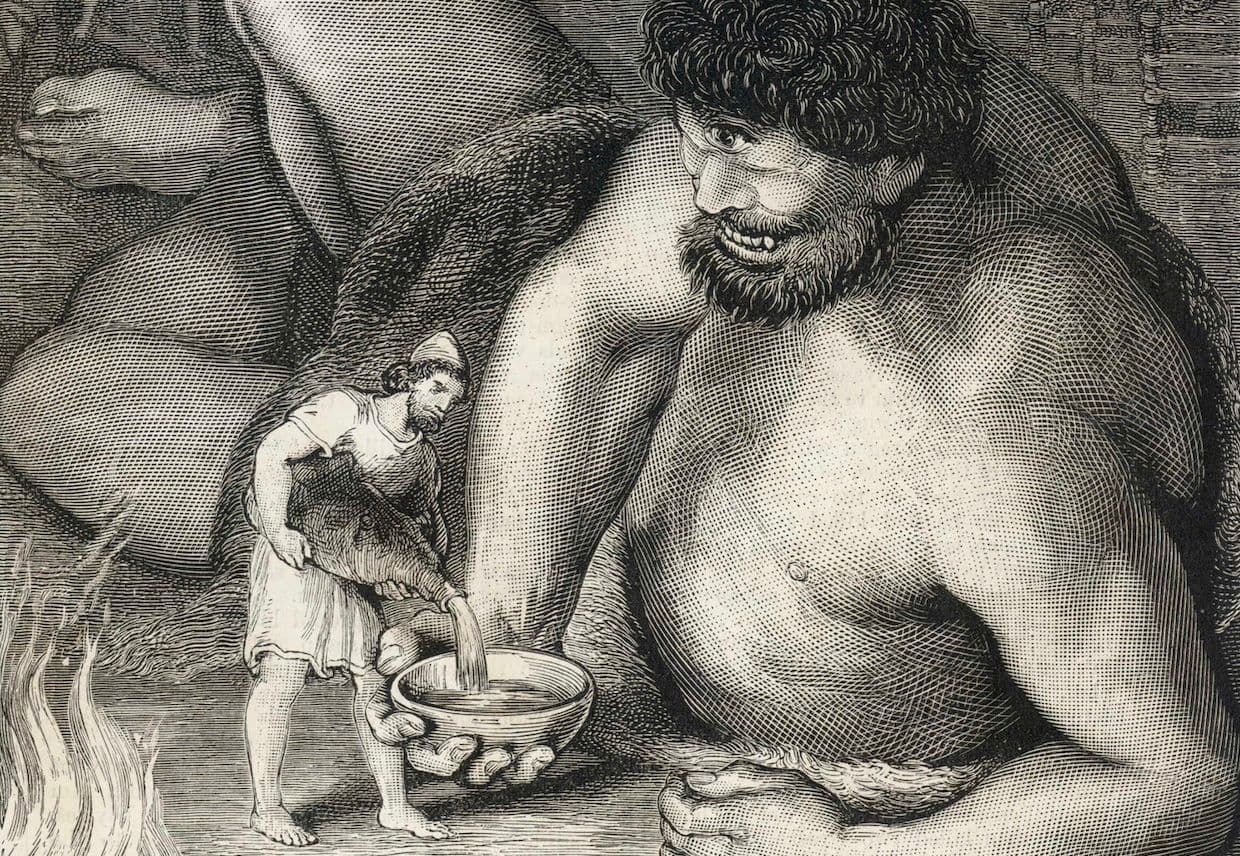
The passage it preserves is not a minor one. Book 12 contains the moment when Odysseus's men, starving and stranded on the island of Thrinacia, ignore their leader's explicit warnings and slaughter the sacred cattle of the sun god Helios. Zeus responds by sending a violent storm that destroys the fleet and kills every man in it, leaving only Odysseus alive. De Kreij, who has spent his career reading fragments from the desert, acknowledged with cheerful honesty that the Odyssey is about the least exciting thing you can find in his line of work. There are lots of boring passages, he said. But this is a great part. Researchers believe the fragment survived because it came from the middle of the codex, a pocketbook-sized edition produced in Egypt, and was therefore protected by the outer pages. The discovery was made two years ago and announced publicly in September 2026. It is also the second unexpected Homeric discovery of the year: earlier in 2026, fragments of Homer's Iliad were identified inside a Roman-era mummy in Egypt, offering another extraordinary link between the physical remains of the ancient world and the words of one of its greatest poets. The Utrecht fragment has been quietly sitting on a shelf, waiting to be found, for the better part of seventy years.
Source:https://www.yahoo.com/news/science/articles/1-700-old-fragment-odyssey-201240699.html