Your Brain Makes Free Choices Like Forced Ones
Picture yourself in line at a bakery, eyeing a doughnut and a tart. You pick the doughnut. But when you reach the counter, only tarts are left, so you buy a tart. Two very different moments, yet a study published in 2026 in the journal Imaging Neuroscience found that your brain handles them in surprisingly similar ways. The research team, which included Lauren C. Fong, Paul M. Garrett, Philip L. Smith, Robert Hester, Stefan Bode and Daniel Feuerriegel, recorded the brain activity of 49 adults using EEG. Volunteers were shown either two balloons of different colors to choose from freely, or just one balloon they were forced to pick. They pressed a button the moment they decided. In both cases, brain activity climbed to the same peak just before the choice. Quick decisions showed a faster rise, and slower ones showed a slower rise. This is a recent repost of research first shared earlier in 2026.
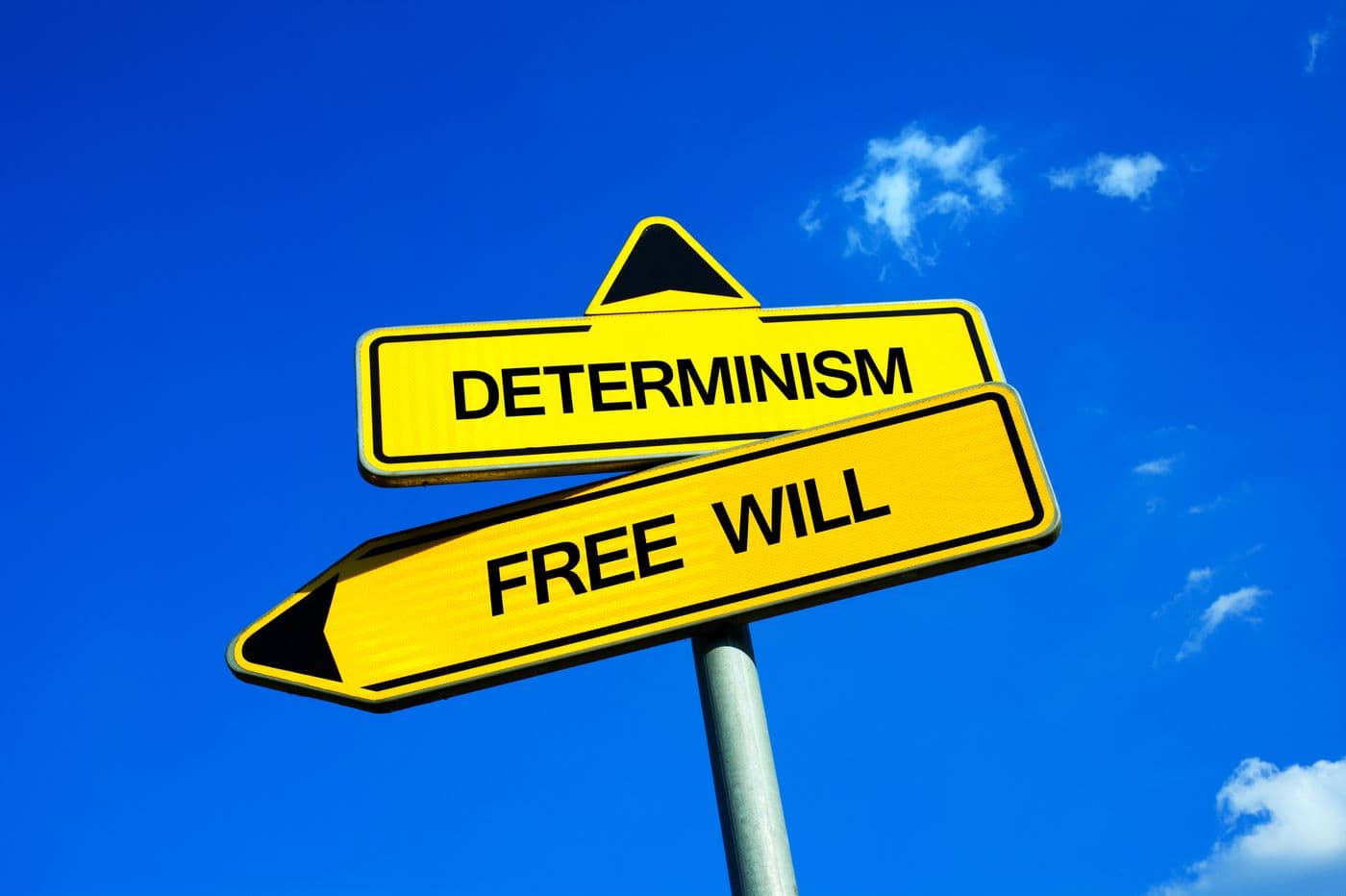
So is free will just an illusion? The researchers do not say that. They point out that the brain gathers evidence for each option over time, a bit like a judge weighing a case, and that this process may run automatically. It is also a little noisy, which helps explain why you might grab the tart one day and the doughnut the next. Scientists have wondered about this since the 1980s, when neuroscientist Benjamin Libet found that brain activity ramps up before people are aware of deciding to act. Here is the hopeful twist. The evidence your brain weighs comes entirely from you, from your tastes, your goals and your life experiences. Two people can go through the same brain process and pick the same thing for totally different reasons. The researchers suggest the better question is what it means for a choice to be yours. Next time you pick your favorite treat, know that your brain has been quietly gathering evidence for it, and it was all you.
Source:Is free will an illusion? New brain research reveals a surprising twist