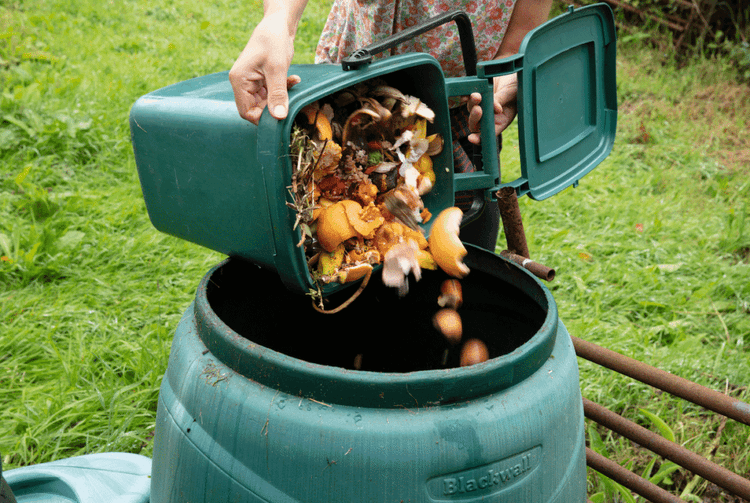
In 2009, Tim Bennett was a 27-year-old apartment dweller in Philadelphia with an inconvenient dream of composting his food waste in a city that doesn’t collect organic waste for that purpose, so he invested $100 in buckets and flyers to start collecting neighbors’ scraps. What began as an experiment he thought probably wouldn’t work has grown into Bennett Compost, which now picks up food scraps from 6,500 households and diverts over 150 tons of waste from landfills each month while working with businesses, schools, rec centers, and even the Philadelphia Department of Prisons. His simple idea addresses a massive problem since food waste makes up almost a quarter of U.S. municipal solid waste and is responsible for 58 percent of landfill methane emissions, which have 80 times more global warming potential than carbon dioxide.
Bennett’s business is part of the Community Composter Coalition, which brings together over 400 composting initiatives across America that are transforming waste into slow-release fertilizer while creating green jobs, supporting local food resilience, and bringing communities together around tangible shared goals. The beauty of community composting goes far beyond environmental benefits as Bennett explains that you can’t do composting online, and good things happen when you’re standing next to somebody just turning the compost pile together. His success came from partnering with urban gardens and other like-minded local projects, admitting they had to collaborate because they didn’t have money to do it alone, but it made them better and more respectful of the neighborhoods they operate in. What started as one young man’s $100 gamble has become proof that addressing climate change can be as simple as collecting your neighbor’s banana peels and creating community connections one bucket at a time.