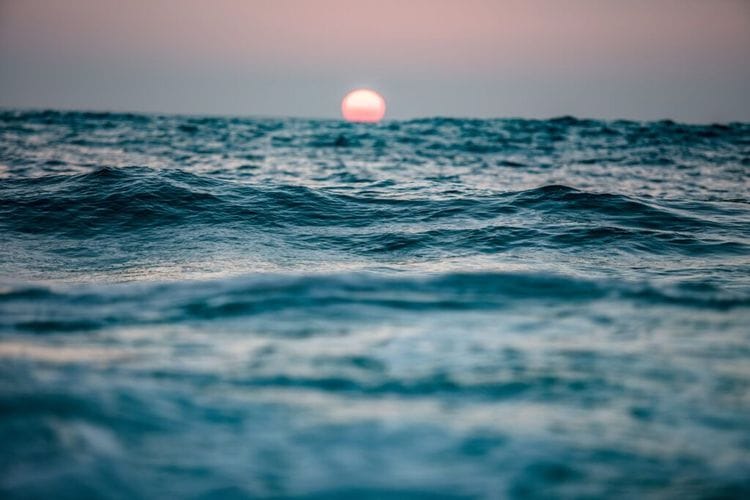
The world’s first treaty to protect marine life in international waters will officially become law in early 2026 after reaching a major milestone when the 60th country ratified the agreement. The High Seas Treaty, which took two decades to create, aims to protect 30 percent of the open ocean by establishing Marine Protected Areas in international waters where currently only one percent is protected. The historic agreement cleared its final hurdle when Sri Lanka, Saint Vincent and the Grenadines, Sierra Leone, and Morocco became the 57th through 60th countries to ratify, triggering the treaty’s entry into force just months from now. UN Secretary General Antonio Guterres called it a historic achievement for the ocean and multilateralism, celebrating what the world can accomplish when nations come together for the common good.
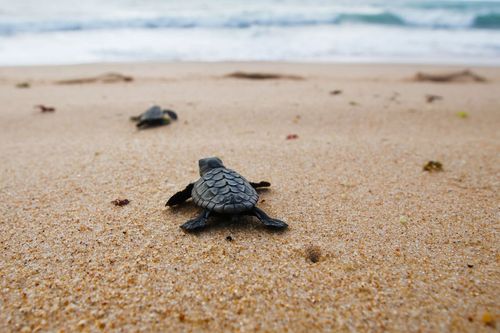
The high seas begin where countries’ exclusive economic zones end, roughly 270 nautical miles from any coast, and these vast waters have long been overlooked in environmental protection efforts. Marine life in international waters faces serious threats from climate change, pollution, and overfishing, with ten percent of all marine species now at risk of extinction according to scientists. The treaty will require companies planning activities like deep sea mining to present environmental impact assessments and will promote equity for developing countries through knowledge sharing and technology access. Countries are already working to establish the first Marine Protected Areas once the treaty becomes operational in early 2026, with proposed zones including the Sala y Gomez and Nazca Ridges, the Sargasso Sea, and the Thermal Dome in the Eastern Pacific.