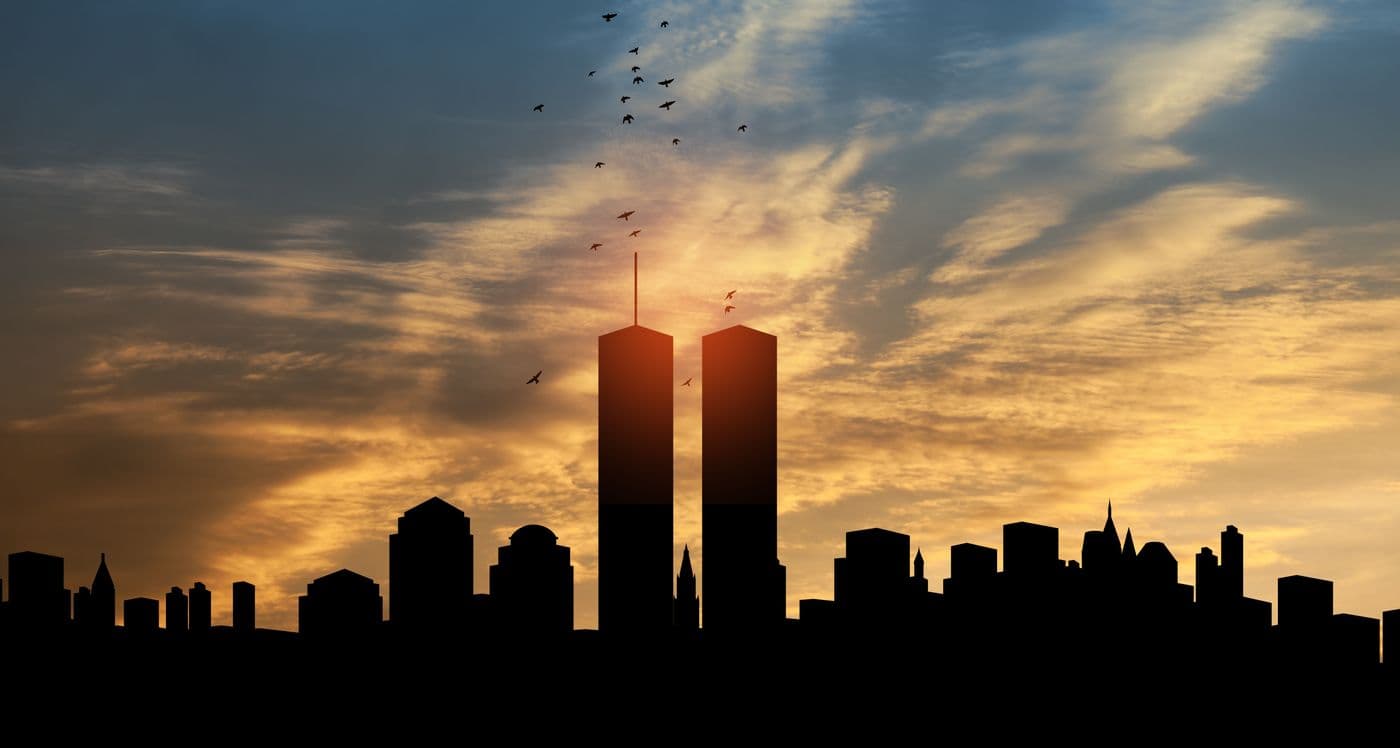
25 Years After 9/11, Science Found Something Remarkable In How Americans Respond To Tragedy.
Tonya Cross Hansel, a social work researcher at the University of Texas Arlington who has studied disaster recovery for more than two decades, published a reflection on the 25th anniversary of the September 11 attacks that draws on decades of data to describe something counterintuitive: in the aftermath of catastrophe, Americans tend to reach toward each other rather than away from each other. A national survey conducted just after 9/11 found that about half of Americans had responded to the attacks by giving to charity, and nearly a quarter donated blood or attempted to. Volunteer sign-ups surged nationwide. Research Hansel conducted with colleagues on marriage and divorce following 9/11 examined divorce rates across all 62 New York counties, comparing the four years after the attacks with the decade before them, and found that divorce rates were significantly lower than expected in three of those four years. Even by 2005, the statewide divorce rate remained approximately 8 percent below what the prior decade's trend would have predicted. Hansel describes this pattern as something she has observed across two decades of fieldwork: during collective crises, people often turn toward family and social relationships rather than away from them, a response she documented again following Hurricane Katrina in 2005, when families took in relatives and volunteers arrived from across the country, and again after the 2023 Maui wildfires, when residents spoke not about individual survival but about community and a shared commitment to rebuilding.
The pattern is not automatic. Hansel is careful to describe the conditions under which community connection after disaster gives way instead to what researchers call a corrosive community, one where prolonged recovery, inadequate resources, and eroded trust fracture the bonds that might otherwise hold people together. The 1989 Exxon Valdez oil spill is her clearest example: years of economic loss, litigation, and uncertainty produced declining trust, weakened social connections, and population decline in the affected Alaskan town, effects that researchers documented persisting for decades. She contrasts that outcome with research following Hurricane Maria in 2017, which found that survivors extended help beyond their existing social circles, crossing political, socioeconomic, and religious divides. The difference, in her analysis, often comes down to whether resources arrive adequately, equitably, and with enough sustained attention to allow communities to rebuild rather than simply survive. The American Psychological Association reports that 62 percent of adults identify divisions in society as a significant source of stress, and roughly half of Americans show signs of loneliness, conditions that make everyday connection harder. Disasters interrupt that isolation with urgency, revealing, as Hansel puts it, a capacity for connection that is not created by catastrophe. It is already there. The disasters only make it visible.
Source:https://www.goodgoodgood.co/articles/9-11-americans-community-trauma