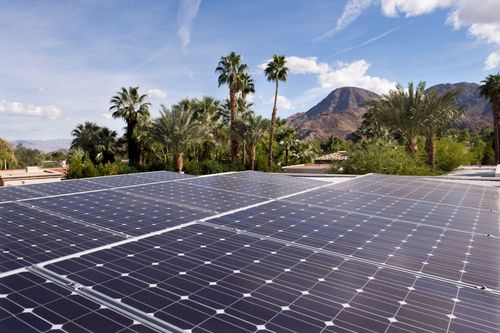
California has launched Project Nexus, an innovative program that places solar panels directly over irrigation canals in the Central Valley, creating the first system of its kind in the United States that could save up to 63 billion gallons of water annually while generating clean electricity. The pilot program began operations in 2025 with $20 million in state funding and two test sites now operating along canals managed by the Turlock Irrigation District, with the solar panels acting like giant umbrellas that block sunlight which would otherwise heat the water and cause it to evaporate from California’s 4,000 mile network of open irrigation canals. The two installations, one covering a 20 foot wide canal and another spanning a massive 110 foot wide canal, together produce 1.6 megawatts of electricity, enough to power about 1,200 homes while potentially saving enough water statewide to supply two million people with drinking water or irrigate 50,000 acres of farmland.
The California solar canals project tackles two major challenges simultaneously: the state needs more renewable energy to meet its climate goals while desperately needing to conserve water during extended dry periods, and by using canal space instead of farmland, the solar installations avoid taking productive agricultural areas out of use. The solar panels also create cooler water temperatures which benefits fish and other aquatic life since cooler water evaporates more slowly, boosting water saving benefits while researchers study whether the shade reduces unwanted weed growth that could lower maintenance costs. UC Merced researchers monitor the system’s performance tracking electricity production, water evaporation decreases, and effects on water quality, with the narrow canal site including battery storage to save excess electricity for later use. While building solar panels over water instead of on land protects ecosystems by avoiding the need to clear vegetation and disrupt wildlife habitats, state agencies plan to expand the program only after collecting at least one full year of data from these pilot sites that have identified hundreds of miles of canals potentially suitable for future installations, proving that dual purpose infrastructure maximizing the value of existing public assets could become increasingly important as communities face growing pressure to address climate change with limited resources and budgets.