Danish researchers at Aarhus University have discovered a molecular switch that allows plants to partner with nitrogen-fixing bacteria instead of treating them as enemies, opening the door to self-fertilizing cereal crops like wheat and barley that could revolutionize global agriculture. Professors Kasper Røjkjær Andersen and Simona Radutoiu led the team that identified just two amino acids within a root protein that function as a switch determining whether plants activate their immune system to fight bacteria or accept them as beneficial partners. By modifying only these two amino acids in a region, researchers successfully changed a receptor that normally triggers immunity so that it instead initiated symbiosis with nitrogen-fixing bacteria, proving the concept works in laboratory experiments with both Lotus japonicus and barley.
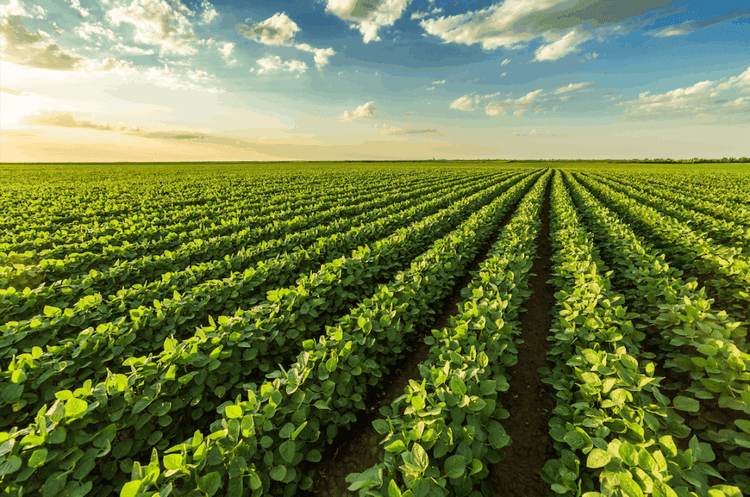
The discovery represents a remarkable breakthrough in understanding how legumes like peas and beans have evolved to work cooperatively with bacteria while cereal crops continue to reject them, with the research team noting that small receptor changes in plants cause them to temporarily shut down immune defenses and enter beneficial relationships. If these modifications can be applied to major crops like wheat, maize, or rice, farmers may eventually grow cereals capable of fixing their own nitrogen similar to legumes, dramatically reducing agriculture’s dependence on synthetic fertilizer and its associated environmental costs. The researchers acknowledge that additional essential keys must still be discovered before widespread application becomes possible, but their work published in the journal Nature provides crucial biological clues that bring the agricultural community one step closer to crops that can supply their own nitrogen. The long-term potential could transform food production worldwide, making agriculture greener and more climate-friendly while reducing both energy consumption and greenhouse gas emissions from fertilizer manufacturing.