Two Beavers Were Released In Dorset. A Year Later They Had Built A 115-Foot Dam And Created A Wildlife Sanctuary
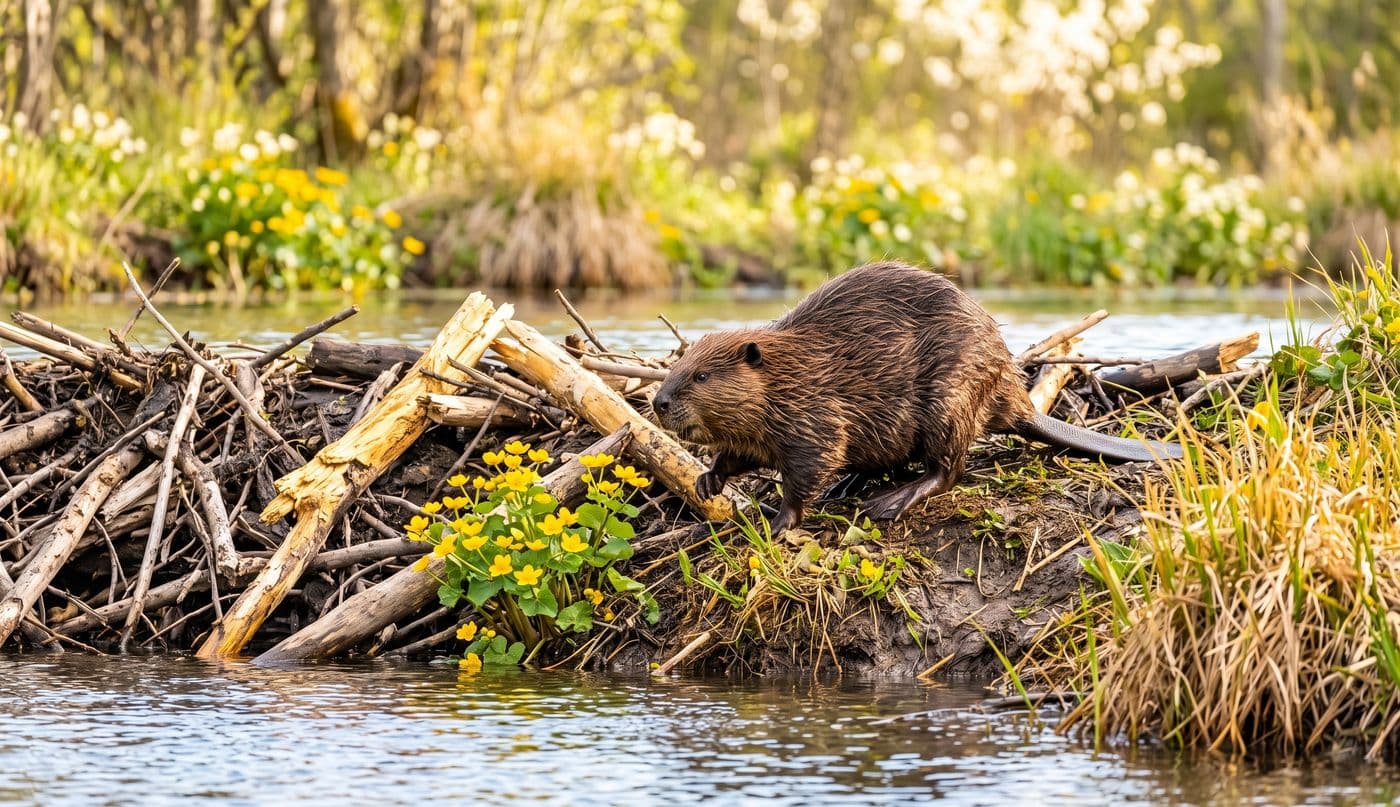
In March 2025, the National Trust released two Eurasian beavers at Studland in Dorset, England, as part of a broader introduction of four beavers relocated from Scotland under England's first license specifically authorizing a wild beaver release. Within a year, the pair had built a dam measuring 35 metres, or approximately 115 feet, across a stream on the edge of Little Sea, a freshwater lake on the Purbeck peninsula. The dam slowed the stream, formed a pond, and opened gaps in the tree canopy overhead as felled timber let more sunlight reach the ground. The previously shaded woodland began transforming into a wetland. Trail cameras set up by the National Trust captured footage of an otter fishing in the new pond and a barn owl hunting over the changed habitat. Redpolls and water rails were also recorded in the developing ecosystem. Gen Crisford, the National Trust's wetlands project officer, described the effect on the ecosystem in a relatively short time as astonishing. By August 2026, specialist volunteers monitoring the site had recorded seven species of dragonfly and damselfly at the new wetland, a diversity of invertebrate life that would not have been possible in the dense, dry woodland that existed there before.
The August 2026 update from the National Trust brought additional encouraging news: despite dry conditions that summer, the beavers' dam network was still retaining water through the drought, offering early evidence of how restored wetlands might help wildlife and landscapes cope with increasingly hot and dry British summers. Research from the University of Exeter published in 2024 found that wetlands in four Devon beaver territories collectively stored more than 24 million litres of water and helped sustain downstream flows during the 2022 drought, supporting the idea that beaver wetlands function as natural water storage systems that benefit surrounding land during dry periods. The National Trust also reported indications that the Dorset dam may be helping protect a nearby road from flooding during heavy rain, a practical benefit that sits alongside the wildlife gains. Willows felled by the beavers have begun sending up new shoots rather than dying, a process similar to traditional coppicing that is creating patches of new growth at different heights throughout the woodland edge. The breeding picture is developing more slowly: cameras recorded the wetland pair mating, but no kits had been seen by the August update. A separate resident family at Little Sea produced two kits that year. The beavers arrived with a dam to build and a stream to manage. They built the dam. The rest followed by itself.