Two Brooklyn Women Are Saving Stray Cats And Inspiring Thousands To Do The Same
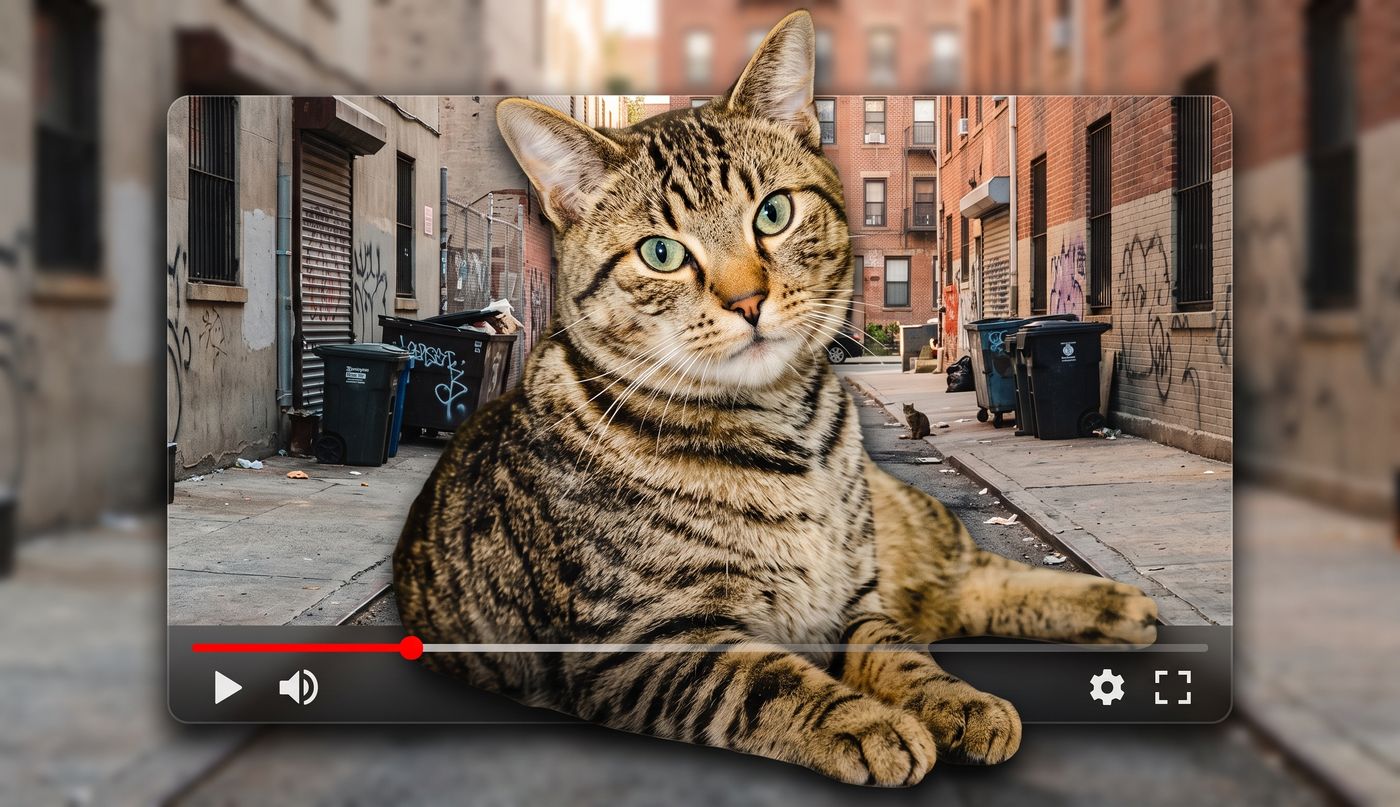
Dana Heis was working from home during the pandemic when she looked out her window and saw a pregnant cat on the street, and something shifted in her that did not shift back. She learned how to trap cats properly, began assisting in rescue operations across Brooklyn, and eventually connected with Lizzie Falcone, another Brooklyn resident who had been drawn into cat rescue after seeing an emaciated cat outside her building and deciding she could not walk past it. Both women describe their entry into rescue as beginning with a single cat and expanding from there into something they had not expected: a full picture of how widespread the street cat crisis actually is. Heis puts it plainly: you see one cat, there are actually forty more you are not seeing, and the majority of cats born outside will not live past their first year, meaning kittens on the street are not a charming sight but a sign of suffering in progress. Falcone adds that a lack of resources from every direction is how large societal problems like this one become entrenched, with formerly indoor cats ending up on the street when owners face financial hardship and visibly ill community cats left without care because no public funding exists to help them.
Falcone started a cat rescue Instagram account after the third cat she ever trapped turned out to need a fifteen-hundred-dollar dental surgery she could not afford, and the Brooklyn rescue community told her that going viral was the only way to raise the money for his care. The cat's name was Couscous, and with donations from strangers online she got him his surgery and gave him six months living indoors, loved and warm, before late-stage kidney disease that had gone undetected finally claimed him. She said she loves that he got those six months. That philosophy sits at the center of everything Falcone and Heis do: every act of kindness for a cat in need is one they might not have had otherwise. Their most medically complex case to date was a cat named Firn, found on the street with a broken pelvis, whose treatment required more than fifty thousand dollars raised from over eighteen hundred donors through their combined social media platforms. Firn got the care he needed. Both women are clear that their goal is not just to rescue cats but to expand the number of people doing it, and their message to anyone who thinks rescue is beyond them is one of Falcone's most repeated lines: anyone can be a rescuer. You can help a single cat, and that is one cat whose life has changed. If a lot of people do a little, we all do a lot.