Vanilla Could Heal Wounds And It's Cheaper Than Almost Any Drug
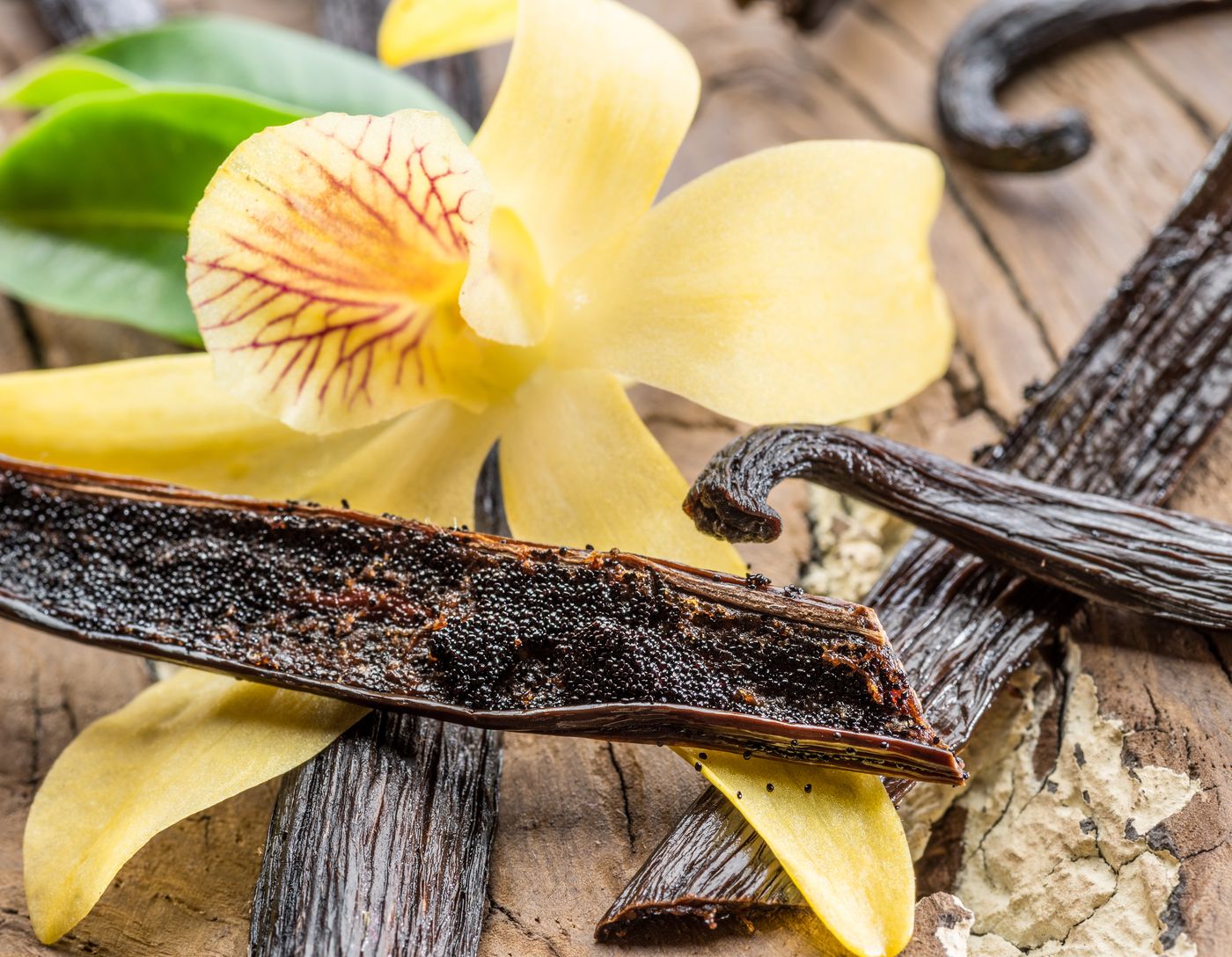
A research team at Flinders University in Australia has published a study in the International Journal of Pharmaceutics identifying vanillin, the compound responsible for vanilla's distinctive flavor, as a promising candidate for wound-healing treatments, with properties that include anti-inflammatory, antibacterial, and antioxidant activity. Vanillin can be extracted directly from natural vanilla pods or produced synthetically from rice or clove oil, making it among the most cost-effective and widely available flavor compounds in the global food industry. The study's lead author, biomedical engineer Krasimir Vasilev, said vanillin's long history of safety in food applications means its profile as a compound is already well understood, and that the same chemical stability and abundance that make it useful in baking could make it straightforwardly transferable to medical applications. Because the synthetic form is cheap and scalable, Vasilev described vanillin-based formulations as potentially offering safe and multifunctional solutions for ulcer treatment and targeted drug delivery, particularly for compounds that are difficult to dissolve in water. The key lies in vanillin's molecular structure, which is amphiphilic, meaning it has both water-loving and water-repelling regions. That dual character allows it to interact with cellular membranes, reactive oxygen molecules, and tough polymers simultaneously, giving it a wider range of potential biomedical applications than a purely hydrophilic or hydrophobic compound could offer.
The vanilla study is the second food-to-medicine finding from Vasilev's team in 2026. Earlier in the year, they published research in the journal Small showing that peppermint oil could be used to create a nanoscale coating applied to medical devices like catheters to protect against infection and inflammation, a separate practical application drawn from the same food-to-function framework. Vasilev said his interest in peppermint began when he noticed it helped relieve a sore throat and became curious whether the same compound could work at the interface between a medical device and living tissue, a very different environment from the human throat. The vanilla finding follows the same investigative pattern: a common food compound with a well-documented safety record, examined for whether its chemistry could serve medical purposes at a fraction of the development cost of a purpose-built pharmaceutical. Vasilev's language about the clinical future of vanillin was measured but specific, noting that with coordinated engagement between academia, clinicians, and industry, vanillin has the potential to progress from an underutilized bioactive to a clinically deployable component of next-generation wound care and regenerative therapeutics. The research is in early stages and more work is needed before vanillin appears in any wound-care product on a pharmacy shelf. But the compound is abundant, it is cheap, it is safe, and it apparently also does things to a wound that researchers are only beginning to fully understand.