HIV Is Now Treated So Effectively That It Cannot Be Sexually Transmitted
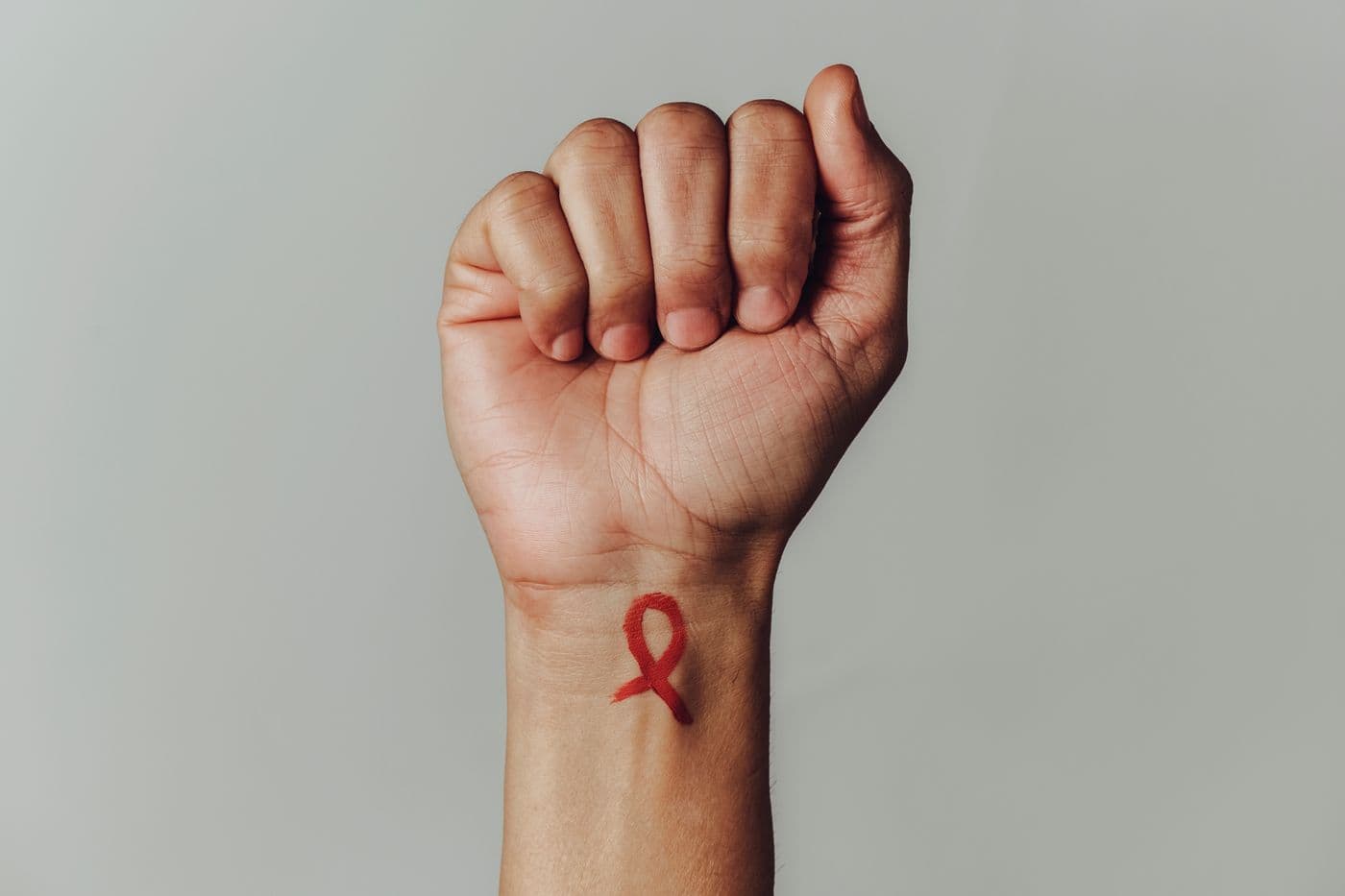
The scientific consensus on HIV transmission has shifted in ways that most of the general public has not caught up with. People living with HIV who take antiretroviral medication and achieve what is called an undetectable viral load, meaning the amount of virus in their blood is so low it cannot be detected through standard testing, have zero risk of sexually transmitting HIV to a partner, even without a condom. This principle, known as Undetectable equals Untransmittable, or U=U, is supported by multiple large clinical trials and has been formally validated by the world's leading health bodies including the World Health Organization, the CDC, and UNAIDS. The landmark HPTN 052 trial, whose results first pointed to this conclusion in 2011, was followed by the PARTNER and PARTNER2 studies, which together observed zero HIV transmissions among couples where the HIV-positive partner maintained an undetectable viral load across tens of thousands of condomless sex acts. Global rates of HIV viral suppression have risen from 40 percent of people on treatment in 2015 to 73 percent in 2024, meaning that for nearly three-quarters of people on antiretroviral therapy worldwide, the virus is already effectively non-transmissible. The challenge is that this fact remains unknown to the people who most need to hear it.
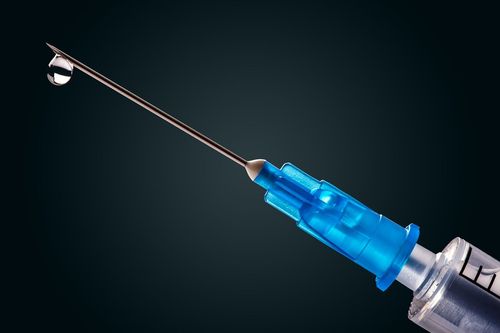
In June 2025, the FDA approved lenacapavir, a twice-yearly injectable drug, for HIV prevention, offering near-complete protection from infection through a single injection every six months and eliminating the need for a daily pill. The drug, which Science journal named its Breakthrough of the Year in 2024, works by targeting the HIV capsid, the protein shell that houses the virus's genetic material, at multiple stages of the viral life cycle. For people already living with HIV, the combination of effective antiretroviral treatment and the U=U principle represents something that would have been unimaginable in the early years of the epidemic: a life without the constant fear of transmitting the virus to a partner. HIV is not cured in the traditional sense. People on treatment must continue taking medication and maintaining viral suppression for U=U to hold. But the transformation from the era when an HIV diagnosis was widely understood as a death sentence to the present, where effective treatment eliminates transmission risk and extends life expectancy to near-normal, is one of the most profound achievements in the history of medicine. The remaining gap is not in the science. It is in public awareness, stigma reduction, and equitable access to the treatment that makes all of it possible.
Source:https://peakd.com/hive-272687/@worlddigestjrnl/as-of-2026-hiv-can